Ordering safety gear sounds simple. Click, pay, done. But PPE is one of those categories where a small mistake turns into wasted money, compliance headaches, or worse, someone getting hurt.
This checklist is written for Australian workplaces, and it sticks to the practical stuff buyers actually trip over. Not brand hype. Not theory. Just what to verify before they order PPE equipment for a site, a workshop, a warehouse, or a mobile crew.
What hazards are they actually buying for?
They should start with the hazard, not the product. In Australia, PPE sits under a risk control approach, so the workplace should be clear on the task and the exposure first.
They can list the top risks by area. Silica dust on a concrete cut. Splash risk at a decanting station. Noise near compressors. Then match PPE to that, so the PPE equipment is tied to real conditions, not guesswork.
What Australian Standards should the PPE meet?
They should check the relevant Australian or joint AS NZS Standards for each item, and confirm the product is sold as compliant for the Australian market. The listing should state the Standard, not just say “certified”.
If it is vague, they should ask for documentation. For PPE equipment, this is where procurement gets messy later, especially if a site is audited or a principal contractor asks for proof.
Is the supplier providing proper compliance evidence?
They should look for a Declaration of Conformity, test reports, or certification details that match the exact model number being ordered. Not a generic PDF for a similar product line.
If the supplier cannot provide model specific evidence, they should treat it as a risk. With PPE equipment, “close enough” tends to become “not acceptable” the moment an incident happens.
Are they choosing the right protection level, not just the cheapest?
They should confirm the rating, class, or performance level is right for the hazard. Higher is not always better either, because it can reduce comfort and increase non-compliance.
For example, heavy gloves can kill dexterity. High filtration respirators can increase breathing resistance. Good PPE equipment is protective, but still realistic for a shift.
Will the PPE fit the workforce properly?
They should assume one size will not fit all, because it will not. They need size ranges, women’s options where relevant, and adjustability that workers can actually use.
Fit matters most for respiratory protection, eye protection, head protection, and hearing protection. If it does not seal, sit correctly, or stay in place, PPE equipment becomes decoration.
Do they need fit testing or fit checking processes?
They should confirm whether respirators being ordered require fit testing under their workplace procedures. In Australia, tight fitting respirators generally need a fit test programme to ensure the seal is effective.
They should also confirm workers know daily fit checking. Buying PPE equipment without a plan to confirm it fits is a common, expensive mistake.
Is the PPE compatible with other gear they already use?
They should check for clashes. Safety glasses that break the seal of earmuffs. Hard hats that do not seat properly with earmuff attachments. Respirators that fog eye protection.
This is where trial orders help. PPE equipment is a system on a person, not a bunch of separate products in a box.
What is the real working environment in Australia?
They should buy for heat, humidity, and dust, because Australia will punish unrealistic choices. A glove might be perfect in a catalogue, then unbearable in a 35 degree shed in Western Sydney, or on a regional road crew.
Comfort drives compliance. If it is not wearable, it will not be worn. That applies to all PPE equipment, especially face and respiratory protection.
What sizing, sampling, or trial process should they run before bulk ordering?
They should trial critical items with a small group first. Especially respirators, boots, gloves, and hearing protection. One carton as a test can save ten cartons of returns.
They should gather feedback quickly. Fit, fogging, pressure points, range of motion. Then they lock in the final PPE equipment order with confidence.
How long will it last and what is the replacement plan?
They should check expected service life, wear indicators, and replacement intervals. Disposable versus reusable needs to be decided upfront, not halfway through a month when stock disappears.
They should also plan storage. Heat and sunlight in Australia can degrade materials faster than people think. PPE equipment that is stored badly can fail early, even if it is “new”. Check out more about Sun and UV Protection: Resources.
Is it suitable for cleaning, maintenance, and hygiene?
They should confirm whether the item can be cleaned, how, and with what chemicals. This matters for reusable respirators, face shields, eye protection, and hearing protection.
If the cleaning process is unrealistic, it will not happen consistently. Then PPE equipment becomes unhygienic, uncomfortable, and quietly abandoned.
Are they ordering the right accessories and consumables?
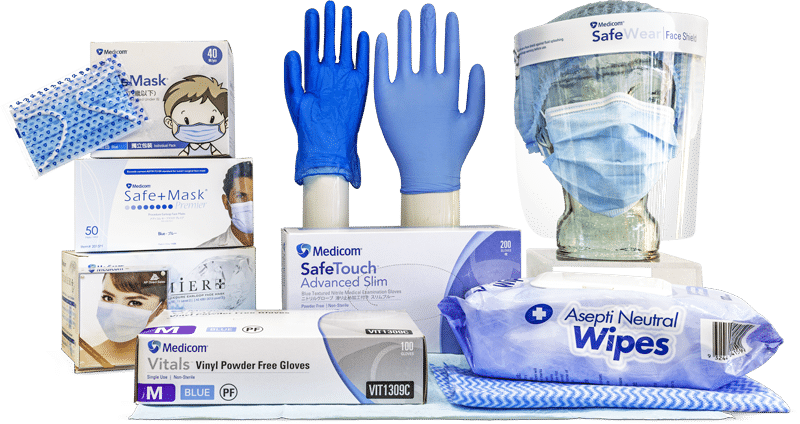
They should check what else is needed to keep the item functional. Filters, pre-filters, cartridges, wipes, lens replacements, sweatbands, helmet liners, spare suspensions, glove liners.
A common issue is buying the core item and forgetting the ongoing parts. PPE equipment is rarely a one-line purchase if it is used daily.
What training or instructions need to come with it?
They should confirm workers will get simple usage guidance, ideally with quick reference sheets and correct donning and doffing steps where relevant.
Even basic items get misused. Hearing protection worn loosely. Respirators worn under a beard. Face shields used without safety glasses. PPE equipment works when people know what “right” looks like.
What are the delivery, returns, and warranty details in Australia?
They should confirm shipping timelines to their location, especially regional and remote sites. They should also confirm return rules for opened cartons, incorrect sizing, and faulty items.
Some PPE categories have hygiene restrictions. Buyers should know this before they order. It is painful to discover after the PPE equipment arrives and does not fit half the crew.
Are they standardising products across sites or letting every team buy their own?
They should aim for standardisation where possible. It simplifies training, spares, purchasing, and compliance evidence. It also reduces the random mix of brands that do not work together.
There will still be exceptions, but a core range of PPE equipment makes procurement cleaner and reduces worker confusion.
Is the order aligned with site rules and principal contractor expectations?
They should check any site-specific PPE requirements, especially on construction and infrastructure projects. Some sites specify minimum hi-vis classes, hard hat types, or certain respiratory protection for silica controls.
If a principal contractor rejects the gear at the gate, the savings vanish instantly. PPE equipment needs to meet both legal requirements and site requirements.
Are they recording what they bought and why?
They should keep a simple record. Product name, model, standard, supplier, batch details if relevant, and the reason it was selected. This is useful for audits, incident reviews, and reordering.
It also stops the cycle of re-researching every time someone new joins procurement. PPE equipment purchasing gets easier when decisions are traceable.
See Also : How Long Does Formply Last on Site?
Are they balancing cost with risk in a sensible way?
They should be honest about what is critical. Respiratory protection for silica, for example, is not the place to shave pounds. Neither is fall protection. For lower-risk items, there may be more flexibility.
The goal is value, not cheapness. The right PPE equipment reduces injury risk, minimises downtime, and avoids repurchase from bad initial choices.
What should they double-check right before they click “order”?
They should do a last pass on five points: correct standard, correct size range, compatibility with other PPE, consumables included, and acceptable delivery dates.
It is a two-minute check that can prevent weeks of frustration. PPE equipment ordering is easy to rush and annoying to unwind.
If they treat PPE like a system, verify compliance properly, and trial the high-impact items, the order usually goes smoothly. And the workplace ends up with gear people actually wear, which is the whole point.
FAQs (Frequently Asked Questions)
What hazards should Australian workplaces consider before ordering PPE equipment?
Australian workplaces should begin by identifying the specific hazards they face, such as silica dust from concrete cutting, splash risks at decanting stations, or noise near compressors. PPE selection must be based on these real exposure risks to ensure effective protection rather than guessing or relying on product features alone.
How do I verify that PPE equipment complies with Australian Standards?
You should check that each PPE item meets the relevant Australian or joint AS/NZS Standards and that the product is explicitly sold as compliant for the Australian market. The product listing should state the exact Standard number, not just a vague ‘certified’ claim. Always ask suppliers for documentation if compliance details are unclear.
Why is it important to get model-specific compliance evidence from PPE suppliers?
Obtaining a Declaration of Conformity, test reports, or certification that matches the exact model number ensures that the PPE equipment you order truly meets compliance requirements. Generic certificates for similar products are insufficient and pose risks during audits or in case of incidents, where ‘close enough’ is often deemed unacceptable.
How can I ensure PPE equipment fits my workforce properly?
Do not assume one size fits all. Provide size ranges and women’s options where relevant, along with adjustable features workers can use effectively. Proper fit is crucial for respiratory protection, eye protection, head protection, and hearing protection—poorly fitting PPE compromises safety and becomes ineffective.
What role does comfort play in selecting PPE equipment for Australian workplaces?
Comfort is vital because uncomfortable PPE reduces compliance. For example, heavy gloves can impair dexterity, and high-filtration respirators may increase breathing resistance. Choosing protective yet realistic PPE suitable for Australia’s heat, humidity, and dust conditions ensures workers will wear their equipment consistently throughout shifts.
Should workplaces conduct trial orders or fit testing before bulk purchasing PPE?
Yes, trial orders with a small group help identify issues like fit problems, fogging, pressure points, and restricted movement before committing to large purchases. Respirators often require formal fit testing programmes in Australia to ensure an effective seal. This approach prevents costly returns and ensures confidence in the final PPE selection.
Leave a Reply