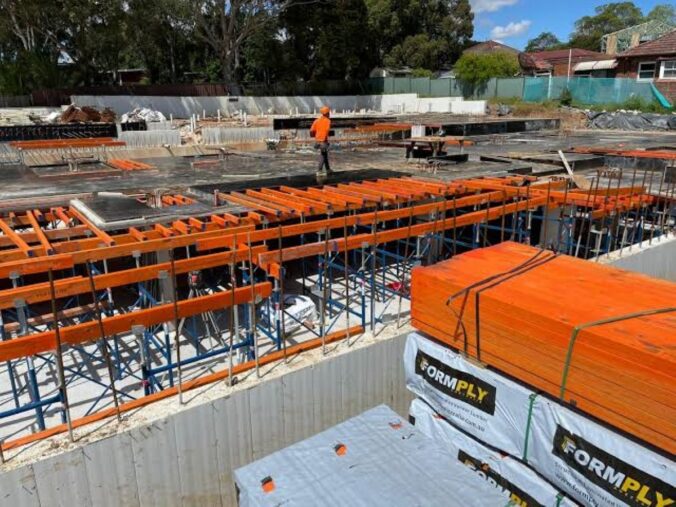
On a building site, formwork plywood is one of those materials that gets pushed hard, then judged harshly when it starts to look rough. People ask the same thing over and over because money is tight and timelines are tighter. How Long Does Formply Last on Site? It depends, but there are patterns, and they are pretty predictable across Australian conditions.
This guide sticks to Australian projects, Australian weather, and the way crews actually use it. No perfect world assumptions.
How Long Does Formply Last on Site in typical Australian conditions?
How Long Does Formply Australia Last on Site? On a typical Australian residential or light commercial job, formply often lasts between 10 and 30 reuses if it is handled well. If it is handled poorly, it can be 5 to 10 reuses and done.
Heat, UV, concrete splash, careless stripping, and poor storage usually decide the outcome more than the brand name. The sheet can look fine early on, then suddenly delaminate once water gets into an edge.
What exactly counts as “lasting” for formply on site?
Most crews mean one of two things. Either the sheet still produces a clean concrete face, or it is still safe and stiff enough to use without bowing and blowing out.
A sheet can “last” structurally but stop “lasting” cosmetically. Once the film is heavily scratched or the face is pitted, the concrete finish drops fast. That is often when they stop using it for exposed pours and demote it to rougher work.
How many pours can formply handle before the film face fails?
On Australian sites, the film face usually fails first due to abrasion and chemical attack from cement paste. With decent release agent use and careful vibration practices, the face can hold up for a couple of dozen uses.
Without release agent, the surface gets torn during stripping. Add aggressive scraping with shovels or crowbars and the film can be compromised within a handful of pours. How Long Does Formply Last on Site? Often as long as the face is protected.
How do rain, humidity, and UV affect formply longevity in Australia?
Rain and humidity are the quiet killers, especially around the coast in NSW and QLD. Water finds the edges, then the core swells and the sheet goes soft.
UV is more of a slow burn, but it matters on open sites in WA, SA, and inland areas. The film face chalks, adhesives can degrade over time, and repeated wet-dry cycles open up tiny pathways for water. How Long Does Formply Last on Site? A lot longer if it is kept out of weather between pours.
Other Resources : Plastic adhesives exemption guidance | EPA
Does edge sealing really make formply last longer?
Yes, and it is not subtle. Edge sealing is one of the cheapest life extenders available.
Factory sealed edges are a start, but once a sheet is cut, drilled, or damaged, those raw edges need attention. Sealing cuts with a compatible edge sealer or exterior grade paint reduces swelling and delamination. If a crew ignores cut edges, the sheet life tends to collapse quickly after the first few wet days.
How much does handling and stripping technique change its lifespan?
Handling is often the difference between “good for weeks” and “dead by Friday”. Dropping sheets off a ute, levering against corners, and dragging them across reo all leaves damage that water exploits later.
Good practice is boring and simple. Lift rather than drag, use proper formwork tools for stripping, and avoid smashing corners. How Long Does Formply Last on Site? Usually as long as the crew treats it like a reusable component, not a disposable pallet.
What role do release agents play in extending formply use?
Release agent is basically insurance for the face film. A light, even application reduces bond, reduces tearing during stripping, and lowers the temptation to scrape aggressively.
Too much release agent can cause surface defects in the concrete, so it needs to be applied properly. But no release agent at all is where sheets get destroyed. If the face tears, moisture gets in easier, and the clock speeds up from that point.
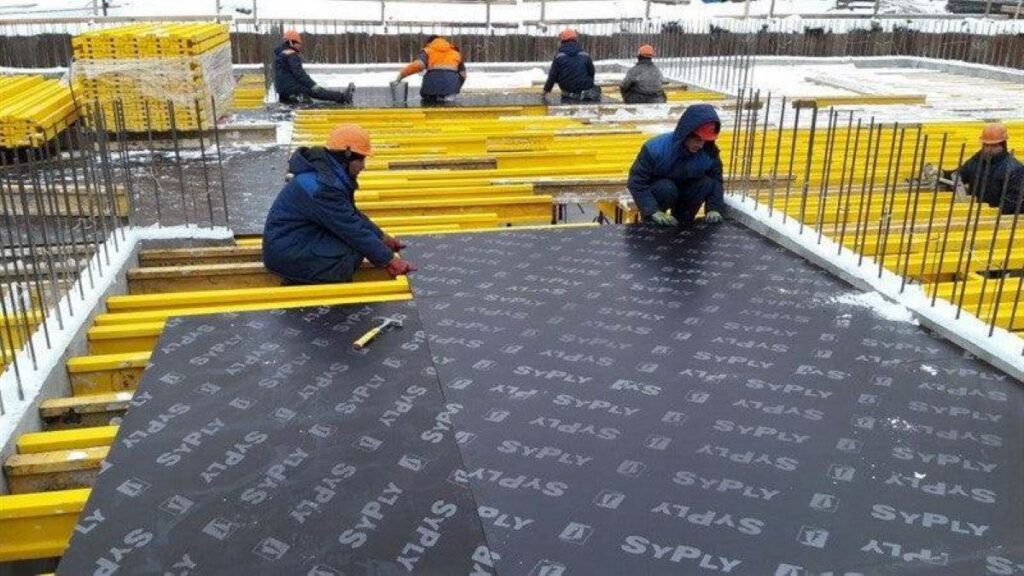
Does the concrete finish requirement affect how long they can keep using it?
Absolutely. For suspended slabs or hidden structural pours, they can often keep using sheets long after the face is no longer pretty.
For architectural concrete, exposed soffits, or visible edges, the acceptable life is shorter. The sheet might still be strong, but it is no longer producing the finish the spec calls for. This is why How Long Does Formply Last on Site? has two answers, one for structure and one for appearance.
How do different Australian project types change expected reuses?
A small residential slab job might only need a limited number of cycles, so the sheet “lasts” the whole job even if it is not in perfect shape. Bigger commercial sites cycle formwork hard, which exposes weak storage and handling habits quickly.
Remote projects can be rougher again because replacement is harder, so sheets get pushed beyond ideal. In cities like Sydney, Melbourne, and Brisbane, they may replace earlier because supply is easier and finish expectations can be higher.
How should formply be stored on site to maximise its service life?
Store it flat, off the ground, and under cover. That is the core of it.
If sheets sit on wet soil, they wick moisture. If they are left leaning and warped, they tend to stay warped. If they bake in the sun then get soaked, the wet dry cycling accelerates edge breakdown. How Long Does Formply Last on Site? Usually longer when storage is treated as part of the system, not an afterthought.
When should formply be retired, downgraded, or cut down for smaller tasks?
They should retire it when it becomes unsafe, too flexible, or starts delaminating in a way that cannot be controlled. Soft spots and bubbling are red flags, especially around fixings and edges.
Downgrade it when the face is too scratched for good finish work. Cut it down when corners are damaged but the middle is still sound. Many Australian crews run a “best sheets” pile for exposed work, then progressively move sheets down the chain.
Can formply be repaired, or is it a waste of time?
Minor repairs can be worth it. Re-seal edges, patch small face chips, and keep fixings clean to avoid blowouts around holes.
Major delamination is usually not worth the effort. Once plies start separating, water will keep travelling and the sheet loses stiffness. Crews can waste hours chasing a sheet that will fail again in two pours. How Long Does Formply Last on Site? Not long if delamination has started.
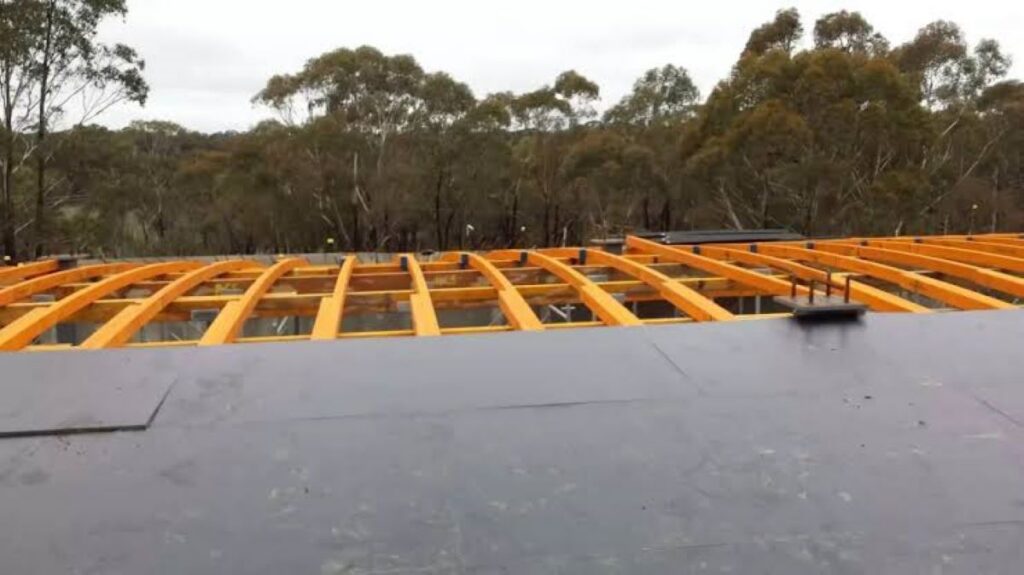
What is a realistic lifespan estimate they can use when budgeting?
For budgeting in Australia, a practical assumption is 15 to 25 reuses for decent film-faced formply on standard pours, assuming reasonable handling and storage. If conditions are wet, salty, or chaotic, assume 10 to 15.
If the project is finish-critical, budget for earlier replacement. If it is rough work, the same stock can often be used longer, but with greater risk of swelling, blowouts, and time lost fighting damaged sheets.
And circling back to the core question, because everyone asks it at some point. How Long Does Formply Last on Site? Long enough to be economical, but only if they protect the edges, use release agent properly, store it like it matters, and stop pretending it is indestructible.
More to Read : How to Choose the Right MGP10 Timber for the Job
FAQs (Frequently Asked Questions)
How long does formply typically last on Australian construction sites?
On typical Australian residential or light commercial projects, formply can last between 10 and 30 reuses if handled well. Poor handling can reduce its lifespan to 5 to 10 reuses. Environmental factors like heat, UV exposure, concrete splash, careless stripping, and poor storage significantly influence its durability.
What defines the ‘lasting’ quality of formply on site?
‘Lasting’ for formply usually means either maintaining a clean concrete finish or remaining structurally safe and stiff enough to prevent bowing and blowouts. A sheet might remain structurally sound but lose cosmetic quality due to scratches or pitting, leading crews to reserve it for less visible work.
How do environmental conditions such as rain, humidity, and UV exposure affect formply longevity in Australia?
Rain and humidity, especially in coastal NSW and QLD, cause water ingress at edges leading to core swelling and softening of the sheet. UV exposure causes slow degradation of the film face through chalking and adhesive breakdown, particularly on open sites in WA, SA, and inland areas. Keeping formply protected from weather between pours greatly extends its life.
Does sealing the edges of formply sheets improve their lifespan?
Yes, edge sealing is one of the most cost-effective ways to extend formply life. Factory sealed edges provide a start, but once cut or damaged on site, applying a compatible edge sealer or exterior-grade paint reduces swelling and delamination. Neglecting cut edges often results in rapid deterioration after wet conditions.
How important is handling and stripping technique in determining formply’s service life?
Handling plays a crucial role; improper practices such as dropping sheets from vehicles, levering against corners, or dragging across reinforcement cause damage exploited by moisture later on. Best practice involves lifting sheets properly, using suitable tools for stripping, and avoiding corner damage to ensure longer usability.
What role do release agents play in extending the use of formply on site?
Release agents act as protective insurance for the film face by reducing bonding with concrete and minimizing tearing during stripping. Proper application prevents aggressive scraping that damages the surface. However, over-application can cause surface defects in concrete finishes. Without release agents, sheets are more prone to face tears that accelerate moisture ingress and reduce lifespan.
Leave a Reply