flower delivery services Sydney

Month: October 2026

How to Choose the Right MGP10 Timber for the Job

Text: “Choosing framing timber sounds simple until it is not. Someone is standing in a timber yard in Brisbane or Ballarat, staring at stacks of stamped pine, trying to work out what actually suits the job. The good news is there is a pretty reliable way to pick correctly, and it mostly comes down to understanding grade, span, moisture, treatment, and where the piece will live inside the build.

This guide is Australian focused, uses plain language, and keeps the decisions practical. It is about MGP10 timber and how to choose it with fewer mistakes and less wasted money.

What is MGP10 timber, and what does “MGP” actually mean?

MGP10 timber is machine graded pine designed for structural use, where the “10” refers to its stiffness rating. In simple terms, it is graded for predictable performance in framing and similar applications.

In Australia, MGP grades are common for studs, plates, joists, and trusses. The stamp matters because it tells builders, designers, and certifiers what the timber can reliably do, not just what it looks like.

When is MGP10 timber the right choice for a project?

MGP10 timber is often the right choice for standard residential framing where spans and loads are typical and designs follow common detailing. It suits a lot of everyday work, like internal walls, non-extreme floor members, and general framing packs.

If the job is straightforward and the engineer has not specified a higher grade, MGP10 is usually sitting in the sweet spot of availability and cost. That is why it is everywhere in Australian builds. “

How does MGP10 compare with MGP12, MGP15, or F-grade alternatives?

MGP10 timber generally has lower stiffness than MGP12 or MGP15, so it may not span as far under the same load. In practice, that can mean more supports, deeper members, or closer spacing if spans get ambitious.

F grades are a different grading system, often linked to certain species and older design approaches. Most builders in Australia now deal with MGP constantly because it is stamped, consistent, and easy to specify.

What jobs is MGP10 timber commonly used for in Australian construction?

MGP10 timber is commonly used for wall studs, top and bottom plates, noggings, lintels in lighter situations, and general structural framing in houses and low-rise buildings. It also turns up in pergola framing where the design is conservative and protected.

The key is that the design, span tables, and approvals line up. A timber being common does not mean it is universal, but it does mean it is well understood.

How should they match MGP10 timber to spans and loads?

They should start with the span tables used in Australia and then confirm the member size, spacing, and load condition actually match the job. MGP10 timber can be perfect when used within its tables and disappointing when pushed beyond them.

If there is an engineered design, they follow that. If there is any doubt, they ask the engineer or certifier before buying a whole pack that will not pass inspection.

Does seasoned versus unseasoned timber matter for MGP10?

Yes, and it matters quickly. Seasoned timber has been dried to reduce moisture content, so it is more stable and less likely to shrink and twist after installation.

Most framing in Australia uses seasoned pine because it behaves better once the plasterboard goes on and the house heats up. If they are using MGP10 timber, choosing seasoned stock is usually the calmer, less risky option.

How can they check if MGP10 timber is straight and usable at the yard?

They should sight along the length for bow, spring, and twist, and avoid pieces with obvious defects that will fight the frame line. A quick visual check saves a lot of time back on site.

They also look for a clear grade stamp showing MGP10 and any treatment information. If the stamp is missing or unreadable, they treat it as a red flag, especially for structural work.

What does the stamp and certification on MGP10 timber tell them?

The stamp should show the MGP grade, the producer, and often details about seasoning and treatment. It helps prove the timber meets the structural grading requirements expected in Australian builds.

For compliance, that stamp is not decoration. It is the link between what gets installed and what the building approval assumes is being installed.

Do they need treated MGP10 timber for outdoor or wet areas?

If the timber will be exposed to weather, ground moisture, or termites, treatment becomes non-negotiable. Untreated structural pine is generally for dry, internal use only.

For decks, pergolas, external framing, or bathrooms with tricky moisture, they check the hazard class and specify the right treatment level. MGP10 timber can be treated, but they must make sure the treatment is appropriate for the exposure.
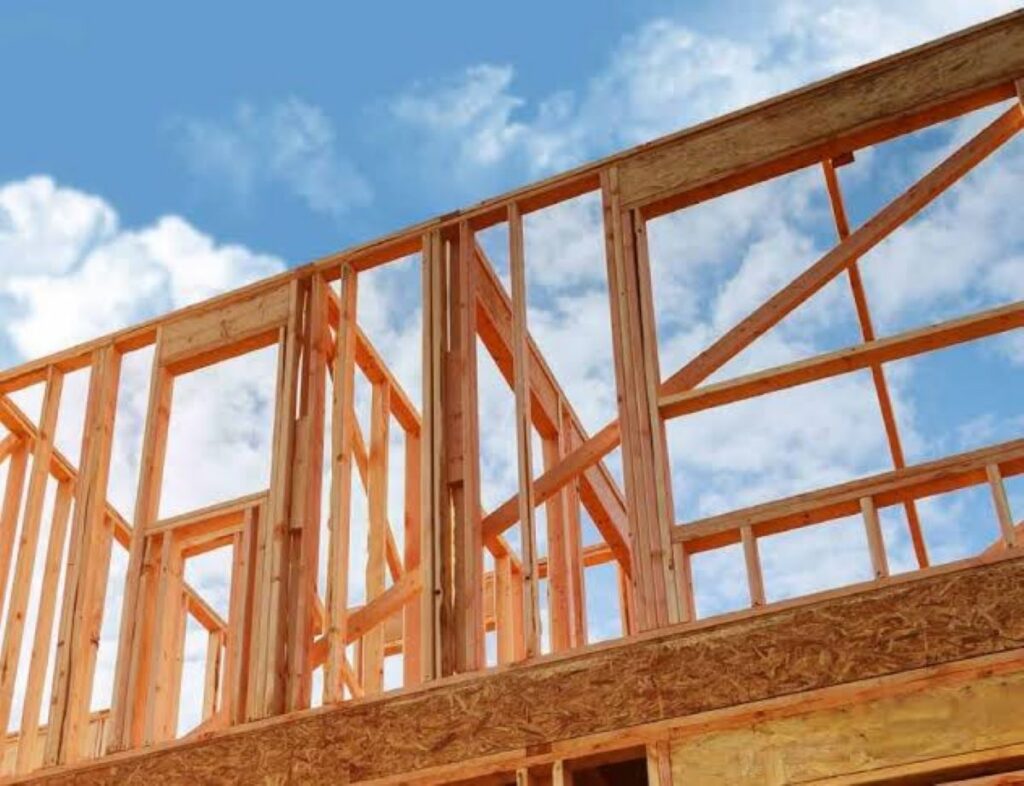
mgp10 timber

How do termites and hazard classes affect the choice in Australia?

Australia has plenty of termite zones, so they should think about location from the start. In many areas, termite management is not optional, and the materials selection supports that strategy.

Hazard classes (like H2, H3, H4) indicate where treated timber can be used. They should match the hazard class to the application, not just grab what is cheapest and hope.

How do they choose the right sizes and lengths without overbuying?

They should work from the cut list or framing plan and order lengths that reduce waste. Longer lengths feel flexible, but offcuts pile up fast and cost real money.

It also helps to standardise where possible, like using consistent stud lengths per wall height and checking doorway and window lintel needs early. With MGP10 timber, most suppliers have common sizes ready to go, so planning pays off.

What should they consider for internal walls versus load-bearing walls?

Internal non load bearing walls can often use lighter framing schedules, while load-bearing walls must carry roof or floor loads and may need larger members or tighter spacing. They should never assume a wall is non-structural just because it is inside.

If a wall supports trusses, beams, or upper floor loads, it is structural. In those cases, MGP10 timber might still work, but only if the design and tables confirm it.

Is MGP10 timber suitable for renovations and older homes?

It can be, but renovations are full of surprises. They should check how new framing will connect to old structures, whether levels are consistent, and whether moisture issues exist.

Older homes might have different timber species, different movement behaviour, or non-standard dimensions. If they are blending in MGP10 timber, they allow for packing, straightening, and careful fixing so walls do not telegraph waves later.

How do they manage timber movement, shrinkage, and straightness on site?

They should store timber flat, off the ground, and covered, especially in wet weather common in coastal NSW or parts of Queensland. Poor storage can ruin good timber before it is even installed.

They should also frame quickly and brace properly so members do not wander. Even MGP10 timber that arrives straight can move if it is left leaning against a fence in the sun for a week.

What questions should they ask the supplier before purchasing?

They should ask whether the stock is seasoned, what treatment level applies, and whether the timber is suitable for structural use for their application. They should also ask about availability of straight packs and whether they can swap out badly bowed pieces.

If they are ordering a full take-off, they should confirm lead times and delivery handling. Damaged edges and soaked packs can create delays, even when the paperwork looks fine.

How can they keep compliance simple with Australian standards and approvals?

They should follow the engineer’s details, use stamped structural timber, and keep documentation like invoices and product specifications where needed. Compliance is much easier when the product is traceable.

If they are using MGP10 timber, they ensure it matches what is specified on plans. Substituting grades without approval can cause inspection failures and expensive rework.
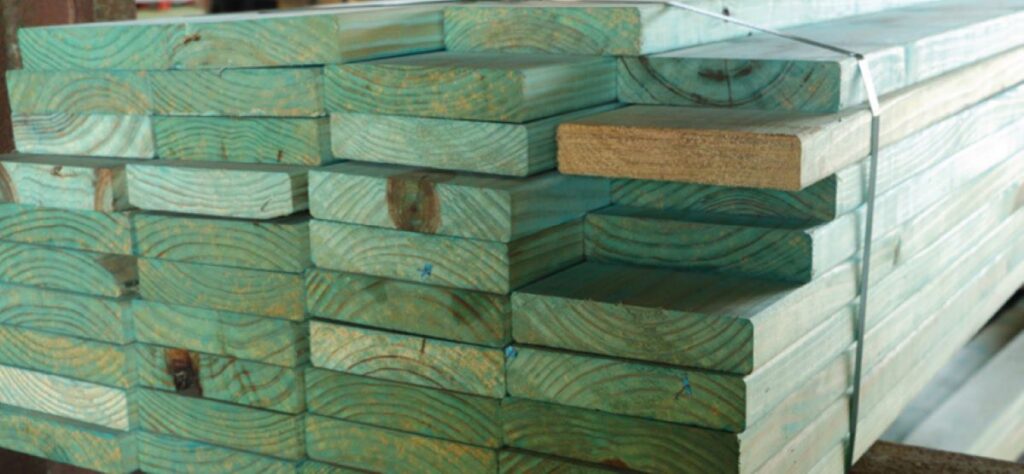
mgp10 timber

What is the simplest checklist for choosing MGP10 timber correctly?

They should match the grade to the job, confirm spans and loads, choose seasoned stock, pick the right treatment for exposure, and inspect straightness before accepting delivery. That short list prevents most common site headaches.

And they should remember the big idea: MGP10 timber is reliable when it is used as designed, stored well, and installed with decent bracing and fixings. If any part of that breaks, the frame tells on them later.

More to Read : PPE Equipment: What to Check Before You Order

FAQs (Frequently Asked Questions)

What is MGP10 timber and what does the grade signify?

MGP10 timber is machine graded pine designed for structural use in Australian construction. The ’10’ refers to its stiffness rating, indicating predictable performance for framing applications like studs, plates, joists, and trusses. The grade stamp assures builders and certifiers of the timber’s reliable structural capabilities.

When should I choose MGP10 timber for my building project?

MGP10 timber is ideal for standard residential framing where spans and loads are typical, such as internal walls, non-extreme floor members, and general framing packs. It suits straightforward jobs without higher grade specifications from engineers, balancing availability and cost effectively.

How does MGP10 compare to higher grades like MGP12 or MGP15?

Compared to MGP12 or MGP15, MGP10 has lower stiffness and may require more supports or closer spacing for longer spans under similar loads. While F-grade timbers follow an older grading system linked to specific species, MGP grades are now standard in Australia due to their consistency and ease of specification.

Is treated MGP10 timber necessary for outdoor or wet areas?

Yes, treatment is essential if the timber will be exposed to weather, ground moisture, or termites. Untreated MGP10 is generally for dry interior use only. For decks, pergolas, external framing, or moist environments like bathrooms, selecting the correct hazard class treatment ensures durability and compliance with Australian standards.

How can I ensure the MGP10 timber I select at the yard is straight and suitable?

Inspect the timber visually along its length for bowing, springing, twisting, or defects that could affect framing alignment. Verify a clear grade stamp showing MGP10 and treatment details; missing or unreadable stamps are red flags. A thorough check at the yard prevents issues during installation.

What factors should I consider when matching MGP10 timber to spans and loads?

Start by consulting Australian span tables to confirm member size, spacing, and load conditions align with your project’s requirements. Using MGP10 within these parameters ensures optimal performance. If an engineered design exists, follow it precisely; when in doubt, consult an engineer or certifier before purchasing to avoid costly mistakes.
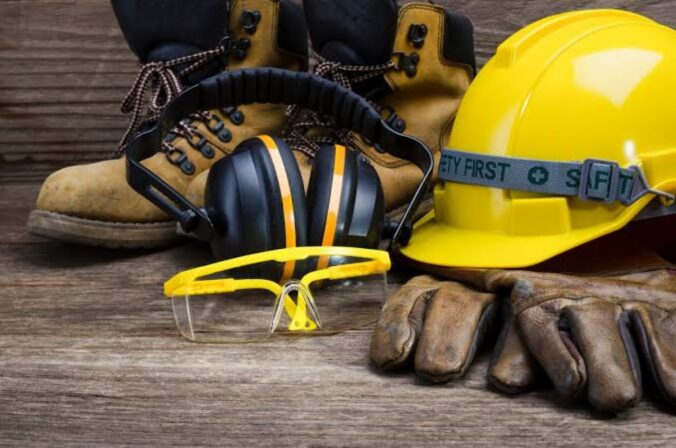
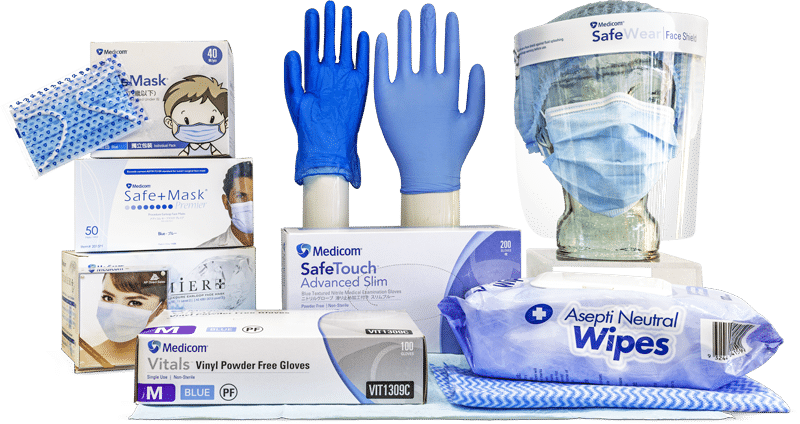
PPE Equipment: What to Check Before You Order

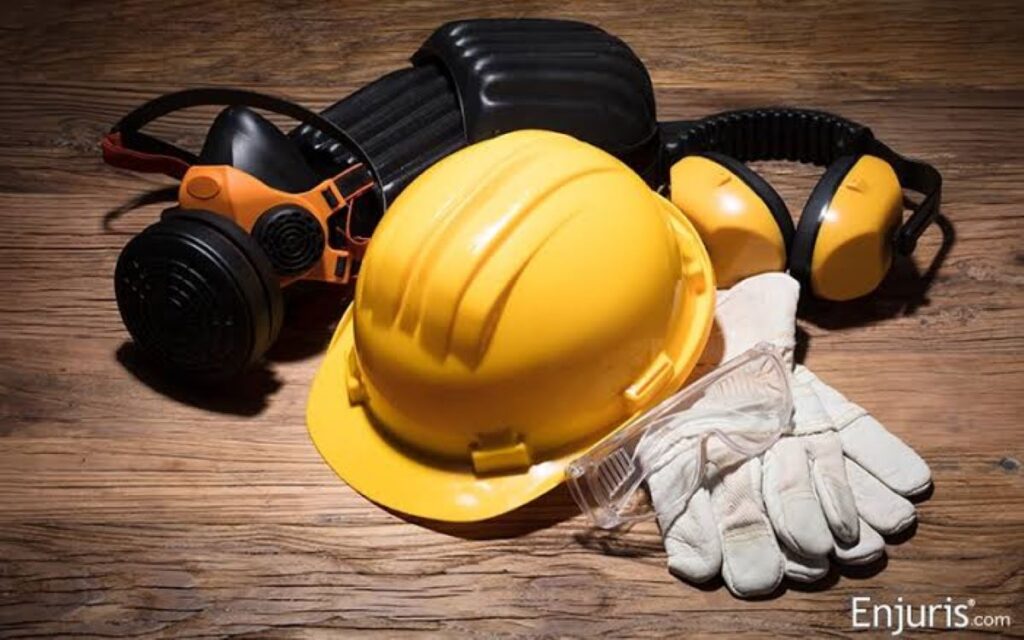
Ordering safety gear sounds simple. Click, pay, done. But PPE is one of those categories where a small mistake turns into wasted money, compliance headaches, or worse, someone getting hurt.

This checklist is written for Australian workplaces, and it sticks to the practical stuff buyers actually trip over. Not brand hype. Not theory. Just what to verify before they order PPE equipment for a site, a workshop, a warehouse, or a mobile crew.

What hazards are they actually buying for?

They should start with the hazard, not the product. In Australia, PPE sits under a risk control approach, so the workplace should be clear on the task and the exposure first.

They can list the top risks by area. Silica dust on a concrete cut. Splash risk at a decanting station. Noise near compressors. Then match PPE to that, so the PPE equipment is tied to real conditions, not guesswork.

What Australian Standards should the PPE meet?

They should check the relevant Australian or joint AS NZS Standards for each item, and confirm the product is sold as compliant for the Australian market. The listing should state the Standard, not just say “certified”.

If it is vague, they should ask for documentation. For PPE equipment, this is where procurement gets messy later, especially if a site is audited or a principal contractor asks for proof.

Is the supplier providing proper compliance evidence?

They should look for a Declaration of Conformity, test reports, or certification details that match the exact model number being ordered. Not a generic PDF for a similar product line.

If the supplier cannot provide model specific evidence, they should treat it as a risk. With PPE equipment, “close enough” tends to become “not acceptable” the moment an incident happens.

Are they choosing the right protection level, not just the cheapest?

They should confirm the rating, class, or performance level is right for the hazard. Higher is not always better either, because it can reduce comfort and increase non-compliance.

For example, heavy gloves can kill dexterity. High filtration respirators can increase breathing resistance. Good PPE equipment is protective, but still realistic for a shift.

Will the PPE fit the workforce properly?

They should assume one size will not fit all, because it will not. They need size ranges, women’s options where relevant, and adjustability that workers can actually use.

Fit matters most for respiratory protection, eye protection, head protection, and hearing protection. If it does not seal, sit correctly, or stay in place, PPE equipment becomes decoration.

Do they need fit testing or fit checking processes?

They should confirm whether respirators being ordered require fit testing under their workplace procedures. In Australia, tight fitting respirators generally need a fit test programme to ensure the seal is effective.

They should also confirm workers know daily fit checking. Buying PPE equipment without a plan to confirm it fits is a common, expensive mistake.

Is the PPE compatible with other gear they already use?

They should check for clashes. Safety glasses that break the seal of earmuffs. Hard hats that do not seat properly with earmuff attachments. Respirators that fog eye protection.

This is where trial orders help. PPE equipment is a system on a person, not a bunch of separate products in a box.

What is the real working environment in Australia?

They should buy for heat, humidity, and dust, because Australia will punish unrealistic choices. A glove might be perfect in a catalogue, then unbearable in a 35 degree shed in Western Sydney, or on a regional road crew.

Comfort drives compliance. If it is not wearable, it will not be worn. That applies to all PPE equipment, especially face and respiratory protection.

What sizing, sampling, or trial process should they run before bulk ordering?

They should trial critical items with a small group first. Especially respirators, boots, gloves, and hearing protection. One carton as a test can save ten cartons of returns.

They should gather feedback quickly. Fit, fogging, pressure points, range of motion. Then they lock in the final PPE equipment order with confidence.

How long will it last and what is the replacement plan?

They should check expected service life, wear indicators, and replacement intervals. Disposable versus reusable needs to be decided upfront, not halfway through a month when stock disappears.

They should also plan storage. Heat and sunlight in Australia can degrade materials faster than people think. PPE equipment that is stored badly can fail early, even if it is “new”. Check out more about Sun and UV Protection: Resources.

Is it suitable for cleaning, maintenance, and hygiene?

They should confirm whether the item can be cleaned, how, and with what chemicals. This matters for reusable respirators, face shields, eye protection, and hearing protection.

If the cleaning process is unrealistic, it will not happen consistently. Then PPE equipment becomes unhygienic, uncomfortable, and quietly abandoned.

ppe equipment

Are they ordering the right accessories and consumables?

They should check what else is needed to keep the item functional. Filters, pre-filters, cartridges, wipes, lens replacements, sweatbands, helmet liners, spare suspensions, glove liners.

A common issue is buying the core item and forgetting the ongoing parts. PPE equipment is rarely a one-line purchase if it is used daily.

What training or instructions need to come with it?

They should confirm workers will get simple usage guidance, ideally with quick reference sheets and correct donning and doffing steps where relevant.

Even basic items get misused. Hearing protection worn loosely. Respirators worn under a beard. Face shields used without safety glasses. PPE equipment works when people know what “right” looks like.

What are the delivery, returns, and warranty details in Australia?

They should confirm shipping timelines to their location, especially regional and remote sites. They should also confirm return rules for opened cartons, incorrect sizing, and faulty items.

Some PPE categories have hygiene restrictions. Buyers should know this before they order. It is painful to discover after the PPE equipment arrives and does not fit half the crew.

Are they standardising products across sites or letting every team buy their own?

They should aim for standardisation where possible. It simplifies training, spares, purchasing, and compliance evidence. It also reduces the random mix of brands that do not work together.

There will still be exceptions, but a core range of PPE equipment makes procurement cleaner and reduces worker confusion.

Is the order aligned with site rules and principal contractor expectations?

They should check any site-specific PPE requirements, especially on construction and infrastructure projects. Some sites specify minimum hi-vis classes, hard hat types, or certain respiratory protection for silica controls.

If a principal contractor rejects the gear at the gate, the savings vanish instantly. PPE equipment needs to meet both legal requirements and site requirements.

Are they recording what they bought and why?

They should keep a simple record. Product name, model, standard, supplier, batch details if relevant, and the reason it was selected. This is useful for audits, incident reviews, and reordering.

It also stops the cycle of re-researching every time someone new joins procurement. PPE equipment purchasing gets easier when decisions are traceable.

See Also : How Long Does Formply Last on Site?

Are they balancing cost with risk in a sensible way?

They should be honest about what is critical. Respiratory protection for silica, for example, is not the place to shave pounds. Neither is fall protection. For lower-risk items, there may be more flexibility.

The goal is value, not cheapness. The right PPE equipment reduces injury risk, minimises downtime, and avoids repurchase from bad initial choices.

ppe equipment

What should they double-check right before they click “order”?

They should do a last pass on five points: correct standard, correct size range, compatibility with other PPE, consumables included, and acceptable delivery dates.

It is a two-minute check that can prevent weeks of frustration. PPE equipment ordering is easy to rush and annoying to unwind.

If they treat PPE like a system, verify compliance properly, and trial the high-impact items, the order usually goes smoothly. And the workplace ends up with gear people actually wear, which is the whole point.

FAQs (Frequently Asked Questions)

What hazards should Australian workplaces consider before ordering PPE equipment?

Australian workplaces should begin by identifying the specific hazards they face, such as silica dust from concrete cutting, splash risks at decanting stations, or noise near compressors. PPE selection must be based on these real exposure risks to ensure effective protection rather than guessing or relying on product features alone.

How do I verify that PPE equipment complies with Australian Standards?

You should check that each PPE item meets the relevant Australian or joint AS/NZS Standards and that the product is explicitly sold as compliant for the Australian market. The product listing should state the exact Standard number, not just a vague ‘certified’ claim. Always ask suppliers for documentation if compliance details are unclear.

Why is it important to get model-specific compliance evidence from PPE suppliers?

Obtaining a Declaration of Conformity, test reports, or certification that matches the exact model number ensures that the PPE equipment you order truly meets compliance requirements. Generic certificates for similar products are insufficient and pose risks during audits or in case of incidents, where ‘close enough’ is often deemed unacceptable.

How can I ensure PPE equipment fits my workforce properly?

Do not assume one size fits all. Provide size ranges and women’s options where relevant, along with adjustable features workers can use effectively. Proper fit is crucial for respiratory protection, eye protection, head protection, and hearing protection—poorly fitting PPE compromises safety and becomes ineffective.

What role does comfort play in selecting PPE equipment for Australian workplaces?

Comfort is vital because uncomfortable PPE reduces compliance. For example, heavy gloves can impair dexterity, and high-filtration respirators may increase breathing resistance. Choosing protective yet realistic PPE suitable for Australia’s heat, humidity, and dust conditions ensures workers will wear their equipment consistently throughout shifts.

Should workplaces conduct trial orders or fit testing before bulk purchasing PPE?

Yes, trial orders with a small group help identify issues like fit problems, fogging, pressure points, and restricted movement before committing to large purchases. Respirators often require formal fit testing programmes in Australia to ensure an effective seal. This approach prevents costly returns and ensures confidence in the final PPE selection.

How Long Does Formply Last on Site?

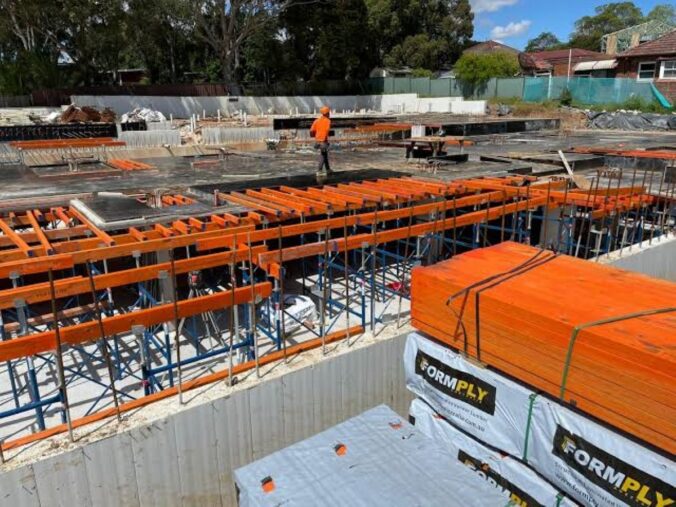
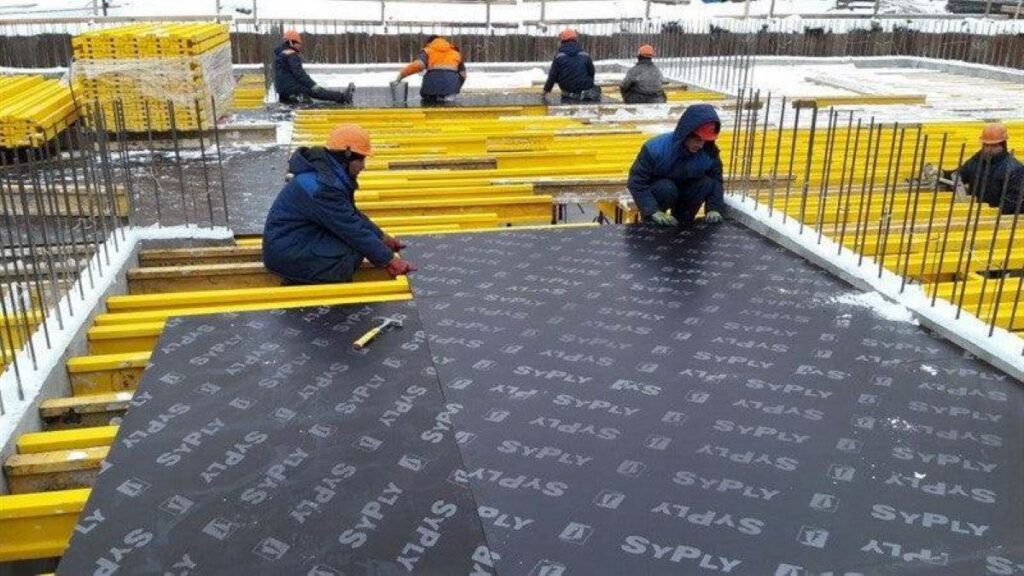
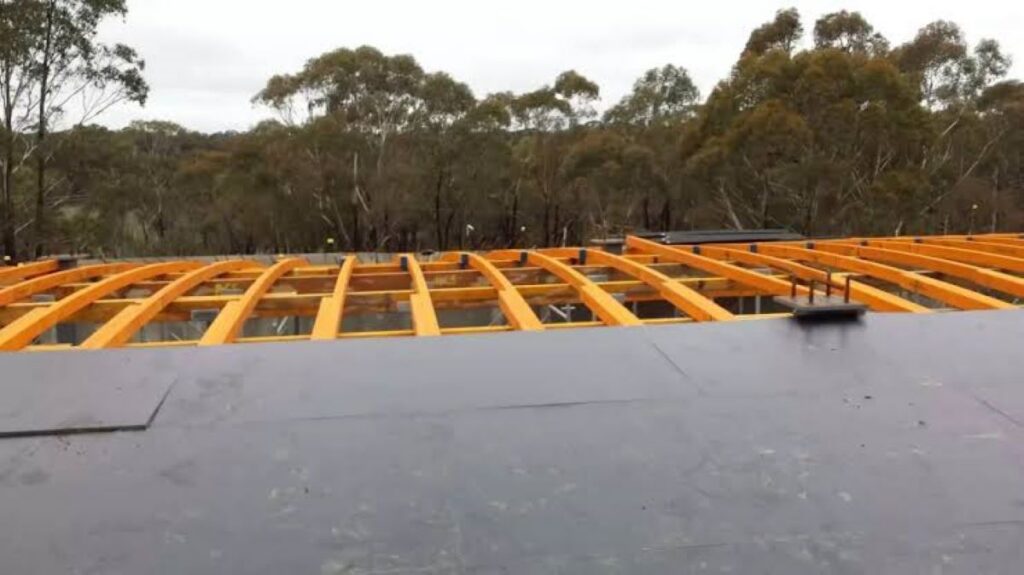
On a building site, formwork plywood is one of those materials that gets pushed hard, then judged harshly when it starts to look rough. People ask the same thing over and over because money is tight and timelines are tighter. How Long Does Formply Last on Site? It depends, but there are patterns, and they are pretty predictable across Australian conditions.

This guide sticks to Australian projects, Australian weather, and the way crews actually use it. No perfect world assumptions.

How Long Does Formply Last on Site in typical Australian conditions?

How Long Does Formply Australia Last on Site? On a typical Australian residential or light commercial job, formply often lasts between 10 and 30 reuses if it is handled well. If it is handled poorly, it can be 5 to 10 reuses and done.

Heat, UV, concrete splash, careless stripping, and poor storage usually decide the outcome more than the brand name. The sheet can look fine early on, then suddenly delaminate once water gets into an edge.

What exactly counts as “lasting” for formply on site?

Most crews mean one of two things. Either the sheet still produces a clean concrete face, or it is still safe and stiff enough to use without bowing and blowing out.

A sheet can “last” structurally but stop “lasting” cosmetically. Once the film is heavily scratched or the face is pitted, the concrete finish drops fast. That is often when they stop using it for exposed pours and demote it to rougher work.

How many pours can formply handle before the film face fails?

On Australian sites, the film face usually fails first due to abrasion and chemical attack from cement paste. With decent release agent use and careful vibration practices, the face can hold up for a couple of dozen uses.

Without release agent, the surface gets torn during stripping. Add aggressive scraping with shovels or crowbars and the film can be compromised within a handful of pours. How Long Does Formply Last on Site? Often as long as the face is protected.

How do rain, humidity, and UV affect formply longevity in Australia?

Rain and humidity are the quiet killers, especially around the coast in NSW and QLD. Water finds the edges, then the core swells and the sheet goes soft.

UV is more of a slow burn, but it matters on open sites in WA, SA, and inland areas. The film face chalks, adhesives can degrade over time, and repeated wet-dry cycles open up tiny pathways for water. How Long Does Formply Last on Site? A lot longer if it is kept out of weather between pours.

Other Resources : Plastic adhesives exemption guidance | EPA

Does edge sealing really make formply last longer?

Yes, and it is not subtle. Edge sealing is one of the cheapest life extenders available.

Factory sealed edges are a start, but once a sheet is cut, drilled, or damaged, those raw edges need attention. Sealing cuts with a compatible edge sealer or exterior grade paint reduces swelling and delamination. If a crew ignores cut edges, the sheet life tends to collapse quickly after the first few wet days.

How much does handling and stripping technique change its lifespan?

Handling is often the difference between “good for weeks” and “dead by Friday”. Dropping sheets off a ute, levering against corners, and dragging them across reo all leaves damage that water exploits later.

Good practice is boring and simple. Lift rather than drag, use proper formwork tools for stripping, and avoid smashing corners. How Long Does Formply Last on Site? Usually as long as the crew treats it like a reusable component, not a disposable pallet.

What role do release agents play in extending formply use?

Release agent is basically insurance for the face film. A light, even application reduces bond, reduces tearing during stripping, and lowers the temptation to scrape aggressively.

Too much release agent can cause surface defects in the concrete, so it needs to be applied properly. But no release agent at all is where sheets get destroyed. If the face tears, moisture gets in easier, and the clock speeds up from that point.

Formply Australia

Does the concrete finish requirement affect how long they can keep using it?

Absolutely. For suspended slabs or hidden structural pours, they can often keep using sheets long after the face is no longer pretty.

For architectural concrete, exposed soffits, or visible edges, the acceptable life is shorter. The sheet might still be strong, but it is no longer producing the finish the spec calls for. This is why How Long Does Formply Last on Site? has two answers, one for structure and one for appearance.

How do different Australian project types change expected reuses?

A small residential slab job might only need a limited number of cycles, so the sheet “lasts” the whole job even if it is not in perfect shape. Bigger commercial sites cycle formwork hard, which exposes weak storage and handling habits quickly.

Remote projects can be rougher again because replacement is harder, so sheets get pushed beyond ideal. In cities like Sydney, Melbourne, and Brisbane, they may replace earlier because supply is easier and finish expectations can be higher.

How should formply be stored on site to maximise its service life?

Store it flat, off the ground, and under cover. That is the core of it.

If sheets sit on wet soil, they wick moisture. If they are left leaning and warped, they tend to stay warped. If they bake in the sun then get soaked, the wet dry cycling accelerates edge breakdown. How Long Does Formply Last on Site? Usually longer when storage is treated as part of the system, not an afterthought.

When should formply be retired, downgraded, or cut down for smaller tasks?

They should retire it when it becomes unsafe, too flexible, or starts delaminating in a way that cannot be controlled. Soft spots and bubbling are red flags, especially around fixings and edges.

Downgrade it when the face is too scratched for good finish work. Cut it down when corners are damaged but the middle is still sound. Many Australian crews run a “best sheets” pile for exposed work, then progressively move sheets down the chain.

Can formply be repaired, or is it a waste of time?

Minor repairs can be worth it. Re-seal edges, patch small face chips, and keep fixings clean to avoid blowouts around holes.

Major delamination is usually not worth the effort. Once plies start separating, water will keep travelling and the sheet loses stiffness. Crews can waste hours chasing a sheet that will fail again in two pours. How Long Does Formply Last on Site? Not long if delamination has started.

Formply Australia

What is a realistic lifespan estimate they can use when budgeting?

For budgeting in Australia, a practical assumption is 15 to 25 reuses for decent film-faced formply on standard pours, assuming reasonable handling and storage. If conditions are wet, salty, or chaotic, assume 10 to 15.

If the project is finish-critical, budget for earlier replacement. If it is rough work, the same stock can often be used longer, but with greater risk of swelling, blowouts, and time lost fighting damaged sheets.

And circling back to the core question, because everyone asks it at some point. How Long Does Formply Last on Site? Long enough to be economical, but only if they protect the edges, use release agent properly, store it like it matters, and stop pretending it is indestructible.

More to Read : How to Choose the Right MGP10 Timber for the Job

FAQs (Frequently Asked Questions)

How long does formply typically last on Australian construction sites?

On typical Australian residential or light commercial projects, formply can last between 10 and 30 reuses if handled well. Poor handling can reduce its lifespan to 5 to 10 reuses. Environmental factors like heat, UV exposure, concrete splash, careless stripping, and poor storage significantly influence its durability.

What defines the ‘lasting’ quality of formply on site?

‘Lasting’ for formply usually means either maintaining a clean concrete finish or remaining structurally safe and stiff enough to prevent bowing and blowouts. A sheet might remain structurally sound but lose cosmetic quality due to scratches or pitting, leading crews to reserve it for less visible work.

How do environmental conditions such as rain, humidity, and UV exposure affect formply longevity in Australia?

Rain and humidity, especially in coastal NSW and QLD, cause water ingress at edges leading to core swelling and softening of the sheet. UV exposure causes slow degradation of the film face through chalking and adhesive breakdown, particularly on open sites in WA, SA, and inland areas. Keeping formply protected from weather between pours greatly extends its life.

Does sealing the edges of formply sheets improve their lifespan?

Yes, edge sealing is one of the most cost-effective ways to extend formply life. Factory sealed edges provide a start, but once cut or damaged on site, applying a compatible edge sealer or exterior-grade paint reduces swelling and delamination. Neglecting cut edges often results in rapid deterioration after wet conditions.

How important is handling and stripping technique in determining formply’s service life?

Handling plays a crucial role; improper practices such as dropping sheets from vehicles, levering against corners, or dragging across reinforcement cause damage exploited by moisture later on. Best practice involves lifting sheets properly, using suitable tools for stripping, and avoiding corner damage to ensure longer usability.

What role do release agents play in extending the use of formply on site?

Release agents act as protective insurance for the film face by reducing bonding with concrete and minimizing tearing during stripping. Proper application prevents aggressive scraping that damages the surface. However, over-application can cause surface defects in concrete finishes. Without release agents, sheets are more prone to face tears that accelerate moisture ingress and reduce lifespan.

© 2026 Gravena Tile

Theme by Anders Noren — Up ↑