Text: “Choosing framing timber sounds simple until it is not. Someone is standing in a timber yard in Brisbane or Ballarat, staring at stacks of stamped pine, trying to work out what actually suits the job. The good news is there is a pretty reliable way to pick correctly, and it mostly comes down to understanding grade, span, moisture, treatment, and where the piece will live inside the build.
This guide is Australian focused, uses plain language, and keeps the decisions practical. It is about MGP10 timber and how to choose it with fewer mistakes and less wasted money.
What is MGP10 timber, and what does “MGP” actually mean?
MGP10 timber is machine graded pine designed for structural use, where the “10” refers to its stiffness rating. In simple terms, it is graded for predictable performance in framing and similar applications.
In Australia, MGP grades are common for studs, plates, joists, and trusses. The stamp matters because it tells builders, designers, and certifiers what the timber can reliably do, not just what it looks like.
When is MGP10 timber the right choice for a project?
MGP10 timber is often the right choice for standard residential framing where spans and loads are typical and designs follow common detailing. It suits a lot of everyday work, like internal walls, non-extreme floor members, and general framing packs.
If the job is straightforward and the engineer has not specified a higher grade, MGP10 is usually sitting in the sweet spot of availability and cost. That is why it is everywhere in Australian builds. “
How does MGP10 compare with MGP12, MGP15, or F-grade alternatives?
MGP10 timber generally has lower stiffness than MGP12 or MGP15, so it may not span as far under the same load. In practice, that can mean more supports, deeper members, or closer spacing if spans get ambitious.
F grades are a different grading system, often linked to certain species and older design approaches. Most builders in Australia now deal with MGP constantly because it is stamped, consistent, and easy to specify.
What jobs is MGP10 timber commonly used for in Australian construction?
MGP10 timber is commonly used for wall studs, top and bottom plates, noggings, lintels in lighter situations, and general structural framing in houses and low-rise buildings. It also turns up in pergola framing where the design is conservative and protected.
The key is that the design, span tables, and approvals line up. A timber being common does not mean it is universal, but it does mean it is well understood.
How should they match MGP10 timber to spans and loads?
They should start with the span tables used in Australia and then confirm the member size, spacing, and load condition actually match the job. MGP10 timber can be perfect when used within its tables and disappointing when pushed beyond them.
If there is an engineered design, they follow that. If there is any doubt, they ask the engineer or certifier before buying a whole pack that will not pass inspection.
Does seasoned versus unseasoned timber matter for MGP10?
Yes, and it matters quickly. Seasoned timber has been dried to reduce moisture content, so it is more stable and less likely to shrink and twist after installation.
Most framing in Australia uses seasoned pine because it behaves better once the plasterboard goes on and the house heats up. If they are using MGP10 timber, choosing seasoned stock is usually the calmer, less risky option.
How can they check if MGP10 timber is straight and usable at the yard?
They should sight along the length for bow, spring, and twist, and avoid pieces with obvious defects that will fight the frame line. A quick visual check saves a lot of time back on site.
They also look for a clear grade stamp showing MGP10 and any treatment information. If the stamp is missing or unreadable, they treat it as a red flag, especially for structural work.
What does the stamp and certification on MGP10 timber tell them?
The stamp should show the MGP grade, the producer, and often details about seasoning and treatment. It helps prove the timber meets the structural grading requirements expected in Australian builds.
For compliance, that stamp is not decoration. It is the link between what gets installed and what the building approval assumes is being installed.
Do they need treated MGP10 timber for outdoor or wet areas?
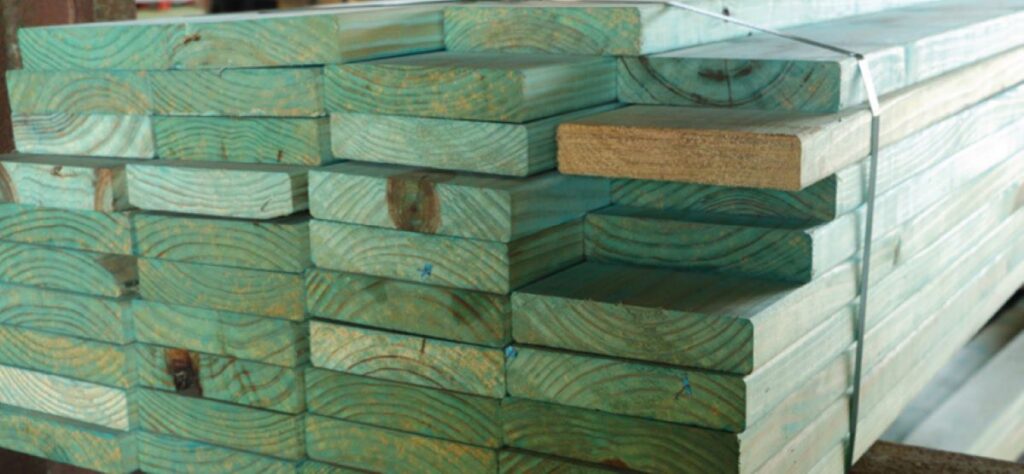
If the timber will be exposed to weather, ground moisture, or termites, treatment becomes non-negotiable. Untreated structural pine is generally for dry, internal use only.
For decks, pergolas, external framing, or bathrooms with tricky moisture, they check the hazard class and specify the right treatment level. MGP10 timber can be treated, but they must make sure the treatment is appropriate for the exposure.
How do termites and hazard classes affect the choice in Australia?
Australia has plenty of termite zones, so they should think about location from the start. In many areas, termite management is not optional, and the materials selection supports that strategy.
Hazard classes (like H2, H3, H4) indicate where treated timber can be used. They should match the hazard class to the application, not just grab what is cheapest and hope.
How do they choose the right sizes and lengths without overbuying?
They should work from the cut list or framing plan and order lengths that reduce waste. Longer lengths feel flexible, but offcuts pile up fast and cost real money.
It also helps to standardise where possible, like using consistent stud lengths per wall height and checking doorway and window lintel needs early. With MGP10 timber, most suppliers have common sizes ready to go, so planning pays off.
What should they consider for internal walls versus load-bearing walls?
Internal non load bearing walls can often use lighter framing schedules, while load-bearing walls must carry roof or floor loads and may need larger members or tighter spacing. They should never assume a wall is non-structural just because it is inside.
If a wall supports trusses, beams, or upper floor loads, it is structural. In those cases, MGP10 timber might still work, but only if the design and tables confirm it.
Is MGP10 timber suitable for renovations and older homes?
It can be, but renovations are full of surprises. They should check how new framing will connect to old structures, whether levels are consistent, and whether moisture issues exist.
Older homes might have different timber species, different movement behaviour, or non-standard dimensions. If they are blending in MGP10 timber, they allow for packing, straightening, and careful fixing so walls do not telegraph waves later.
How do they manage timber movement, shrinkage, and straightness on site?
They should store timber flat, off the ground, and covered, especially in wet weather common in coastal NSW or parts of Queensland. Poor storage can ruin good timber before it is even installed.
They should also frame quickly and brace properly so members do not wander. Even MGP10 timber that arrives straight can move if it is left leaning against a fence in the sun for a week.
What questions should they ask the supplier before purchasing?
They should ask whether the stock is seasoned, what treatment level applies, and whether the timber is suitable for structural use for their application. They should also ask about availability of straight packs and whether they can swap out badly bowed pieces.
If they are ordering a full take-off, they should confirm lead times and delivery handling. Damaged edges and soaked packs can create delays, even when the paperwork looks fine.
How can they keep compliance simple with Australian standards and approvals?
They should follow the engineer’s details, use stamped structural timber, and keep documentation like invoices and product specifications where needed. Compliance is much easier when the product is traceable.
If they are using MGP10 timber, they ensure it matches what is specified on plans. Substituting grades without approval can cause inspection failures and expensive rework.
What is the simplest checklist for choosing MGP10 timber correctly?
They should match the grade to the job, confirm spans and loads, choose seasoned stock, pick the right treatment for exposure, and inspect straightness before accepting delivery. That short list prevents most common site headaches.
And they should remember the big idea: MGP10 timber is reliable when it is used as designed, stored well, and installed with decent bracing and fixings. If any part of that breaks, the frame tells on them later.
What is MGP10 timber and what does the grade signify?
MGP10 timber is machine graded pine designed for structural use in Australian construction. The ’10’ refers to its stiffness rating, indicating predictable performance for framing applications like studs, plates, joists, and trusses. The grade stamp assures builders and certifiers of the timber’s reliable structural capabilities.
When should I choose MGP10 timber for my building project?
MGP10 timber is ideal for standard residential framing where spans and loads are typical, such as internal walls, non-extreme floor members, and general framing packs. It suits straightforward jobs without higher grade specifications from engineers, balancing availability and cost effectively.
How does MGP10 compare to higher grades like MGP12 or MGP15?
Compared to MGP12 or MGP15, MGP10 has lower stiffness and may require more supports or closer spacing for longer spans under similar loads. While F-grade timbers follow an older grading system linked to specific species, MGP grades are now standard in Australia due to their consistency and ease of specification.
Is treated MGP10 timber necessary for outdoor or wet areas?
Yes, treatment is essential if the timber will be exposed to weather, ground moisture, or termites. Untreated MGP10 is generally for dry interior use only. For decks, pergolas, external framing, or moist environments like bathrooms, selecting the correct hazard class treatment ensures durability and compliance with Australian standards.
How can I ensure the MGP10 timber I select at the yard is straight and suitable?
Inspect the timber visually along its length for bowing, springing, twisting, or defects that could affect framing alignment. Verify a clear grade stamp showing MGP10 and treatment details; missing or unreadable stamps are red flags. A thorough check at the yard prevents issues during installation.
What factors should I consider when matching MGP10 timber to spans and loads?
Start by consulting Australian span tables to confirm member size, spacing, and load conditions align with your project’s requirements. Using MGP10 within these parameters ensures optimal performance. If an engineered design exists, follow it precisely; when in doubt, consult an engineer or certifier before purchasing to avoid costly mistakes.
Ordering safety gear sounds simple. Click, pay, done. But PPE is one of those categories where a small mistake turns into wasted money, compliance headaches, or worse, someone getting hurt.
This checklist is written for Australian workplaces, and it sticks to the practical stuff buyers actually trip over. Not brand hype. Not theory. Just what to verify before they order PPE equipment for a site, a workshop, a warehouse, or a mobile crew.
What hazards are they actually buying for?
They should start with the hazard, not the product. In Australia, PPE sits under a risk control approach, so the workplace should be clear on the task and the exposure first.
They can list the top risks by area. Silica dust on a concrete cut. Splash risk at a decanting station. Noise near compressors. Then match PPE to that, so the PPE equipment is tied to real conditions, not guesswork.
What Australian Standards should the PPE meet?
They should check the relevant Australian or joint AS NZS Standards for each item, and confirm the product is sold as compliant for the Australian market. The listing should state the Standard, not just say “certified”.
If it is vague, they should ask for documentation. For PPE equipment, this is where procurement gets messy later, especially if a site is audited or a principal contractor asks for proof.
Is the supplier providing proper compliance evidence?
They should look for a Declaration of Conformity, test reports, or certification details that match the exact model number being ordered. Not a generic PDF for a similar product line.
If the supplier cannot provide model specific evidence, they should treat it as a risk. With PPE equipment, “close enough” tends to become “not acceptable” the moment an incident happens.
Are they choosing the right protection level, not just the cheapest?
They should confirm the rating, class, or performance level is right for the hazard. Higher is not always better either, because it can reduce comfort and increase non-compliance.
For example, heavy gloves can kill dexterity. High filtration respirators can increase breathing resistance. Good PPE equipment is protective, but still realistic for a shift.
Will the PPE fit the workforce properly?
They should assume one size will not fit all, because it will not. They need size ranges, women’s options where relevant, and adjustability that workers can actually use.
Fit matters most for respiratory protection, eye protection, head protection, and hearing protection. If it does not seal, sit correctly, or stay in place, PPE equipment becomes decoration.
Do they need fit testing or fit checking processes?
They should confirm whether respirators being ordered require fit testing under their workplace procedures. In Australia, tight fitting respirators generally need a fit test programme to ensure the seal is effective.
They should also confirm workers know daily fit checking. Buying PPE equipment without a plan to confirm it fits is a common, expensive mistake.
Is the PPE compatible with other gear they already use?
They should check for clashes. Safety glasses that break the seal of earmuffs. Hard hats that do not seat properly with earmuff attachments. Respirators that fog eye protection.
This is where trial orders help. PPE equipment is a system on a person, not a bunch of separate products in a box.
What is the real working environment in Australia?
They should buy for heat, humidity, and dust, because Australia will punish unrealistic choices. A glove might be perfect in a catalogue, then unbearable in a 35 degree shed in Western Sydney, or on a regional road crew.
Comfort drives compliance. If it is not wearable, it will not be worn. That applies to all PPE equipment, especially face and respiratory protection.
What sizing, sampling, or trial process should they run before bulk ordering?
They should trial critical items with a small group first. Especially respirators, boots, gloves, and hearing protection. One carton as a test can save ten cartons of returns.
They should gather feedback quickly. Fit, fogging, pressure points, range of motion. Then they lock in the final PPE equipment order with confidence.
How long will it last and what is the replacement plan?
They should check expected service life, wear indicators, and replacement intervals. Disposable versus reusable needs to be decided upfront, not halfway through a month when stock disappears.
They should also plan storage. Heat and sunlight in Australia can degrade materials faster than people think. PPE equipment that is stored badly can fail early, even if it is “new”. Check out more about Sun and UV Protection: Resources.
Is it suitable for cleaning, maintenance, and hygiene?
They should confirm whether the item can be cleaned, how, and with what chemicals. This matters for reusable respirators, face shields, eye protection, and hearing protection.
If the cleaning process is unrealistic, it will not happen consistently. Then PPE equipment becomes unhygienic, uncomfortable, and quietly abandoned.
Are they ordering the right accessories and consumables?
They should check what else is needed to keep the item functional. Filters, pre-filters, cartridges, wipes, lens replacements, sweatbands, helmet liners, spare suspensions, glove liners.
A common issue is buying the core item and forgetting the ongoing parts. PPE equipment is rarely a one-line purchase if it is used daily.
What training or instructions need to come with it?
They should confirm workers will get simple usage guidance, ideally with quick reference sheets and correct donning and doffing steps where relevant.
Even basic items get misused. Hearing protection worn loosely. Respirators worn under a beard. Face shields used without safety glasses. PPE equipment works when people know what “right” looks like.
What are the delivery, returns, and warranty details in Australia?
They should confirm shipping timelines to their location, especially regional and remote sites. They should also confirm return rules for opened cartons, incorrect sizing, and faulty items.
Some PPE categories have hygiene restrictions. Buyers should know this before they order. It is painful to discover after the PPE equipment arrives and does not fit half the crew.
Are they standardising products across sites or letting every team buy their own?
They should aim for standardisation where possible. It simplifies training, spares, purchasing, and compliance evidence. It also reduces the random mix of brands that do not work together.
There will still be exceptions, but a core range of PPE equipment makes procurement cleaner and reduces worker confusion.
Is the order aligned with site rules and principal contractor expectations?
They should check any site-specific PPE requirements, especially on construction and infrastructure projects. Some sites specify minimum hi-vis classes, hard hat types, or certain respiratory protection for silica controls.
If a principal contractor rejects the gear at the gate, the savings vanish instantly. PPE equipment needs to meet both legal requirements and site requirements.
Are they recording what they bought and why?
They should keep a simple record. Product name, model, standard, supplier, batch details if relevant, and the reason it was selected. This is useful for audits, incident reviews, and reordering.
It also stops the cycle of re-researching every time someone new joins procurement. PPE equipment purchasing gets easier when decisions are traceable.
Are they balancing cost with risk in a sensible way?
They should be honest about what is critical. Respiratory protection for silica, for example, is not the place to shave pounds. Neither is fall protection. For lower-risk items, there may be more flexibility.
The goal is value, not cheapness. The right PPE equipment reduces injury risk, minimises downtime, and avoids repurchase from bad initial choices.
What should they double-check right before they click “order”?
They should do a last pass on five points: correct standard, correct size range, compatibility with other PPE, consumables included, and acceptable delivery dates.
It is a two-minute check that can prevent weeks of frustration. PPE equipment ordering is easy to rush and annoying to unwind.
If they treat PPE like a system, verify compliance properly, and trial the high-impact items, the order usually goes smoothly. And the workplace ends up with gear people actually wear, which is the whole point.
FAQs (Frequently Asked Questions)
What hazards should Australian workplaces consider before ordering PPE equipment?
Australian workplaces should begin by identifying the specific hazards they face, such as silica dust from concrete cutting, splash risks at decanting stations, or noise near compressors. PPE selection must be based on these real exposure risks to ensure effective protection rather than guessing or relying on product features alone.
How do I verify that PPE equipment complies with Australian Standards?
You should check that each PPE item meets the relevant Australian or joint AS/NZS Standards and that the product is explicitly sold as compliant for the Australian market. The product listing should state the exact Standard number, not just a vague ‘certified’ claim. Always ask suppliers for documentation if compliance details are unclear.
Why is it important to get model-specific compliance evidence from PPE suppliers?
Obtaining a Declaration of Conformity, test reports, or certification that matches the exact model number ensures that the PPE equipment you order truly meets compliance requirements. Generic certificates for similar products are insufficient and pose risks during audits or in case of incidents, where ‘close enough’ is often deemed unacceptable.
How can I ensure PPE equipment fits my workforce properly?
Do not assume one size fits all. Provide size ranges and women’s options where relevant, along with adjustable features workers can use effectively. Proper fit is crucial for respiratory protection, eye protection, head protection, and hearing protection—poorly fitting PPE compromises safety and becomes ineffective.
What role does comfort play in selecting PPE equipment for Australian workplaces?
Comfort is vital because uncomfortable PPE reduces compliance. For example, heavy gloves can impair dexterity, and high-filtration respirators may increase breathing resistance. Choosing protective yet realistic PPE suitable for Australia’s heat, humidity, and dust conditions ensures workers will wear their equipment consistently throughout shifts.
Should workplaces conduct trial orders or fit testing before bulk purchasing PPE?
Yes, trial orders with a small group help identify issues like fit problems, fogging, pressure points, and restricted movement before committing to large purchases. Respirators often require formal fit testing programmes in Australia to ensure an effective seal. This approach prevents costly returns and ensures confidence in the final PPE selection.
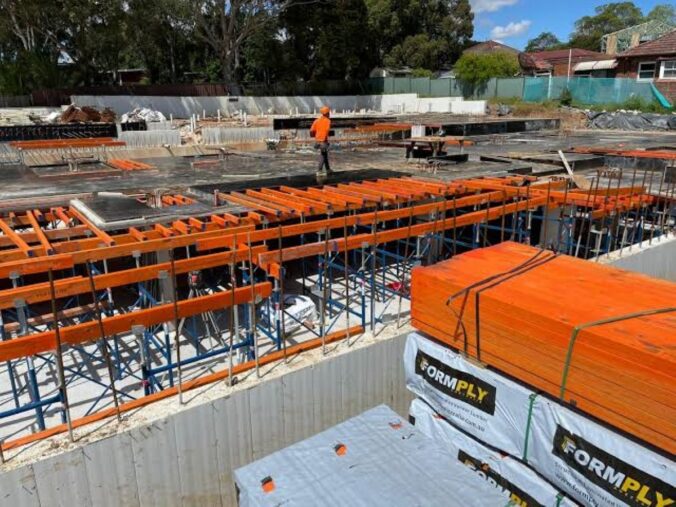
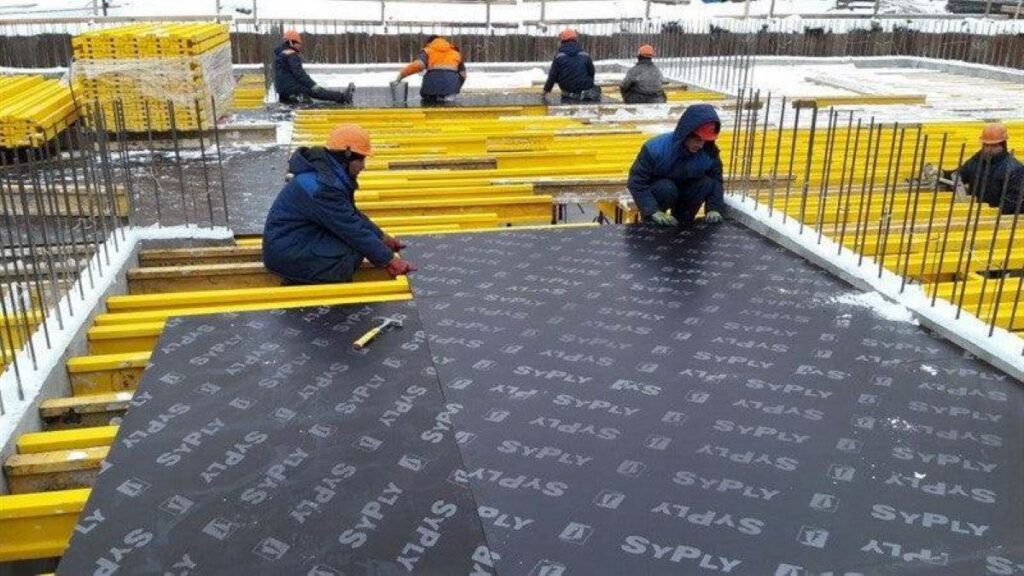
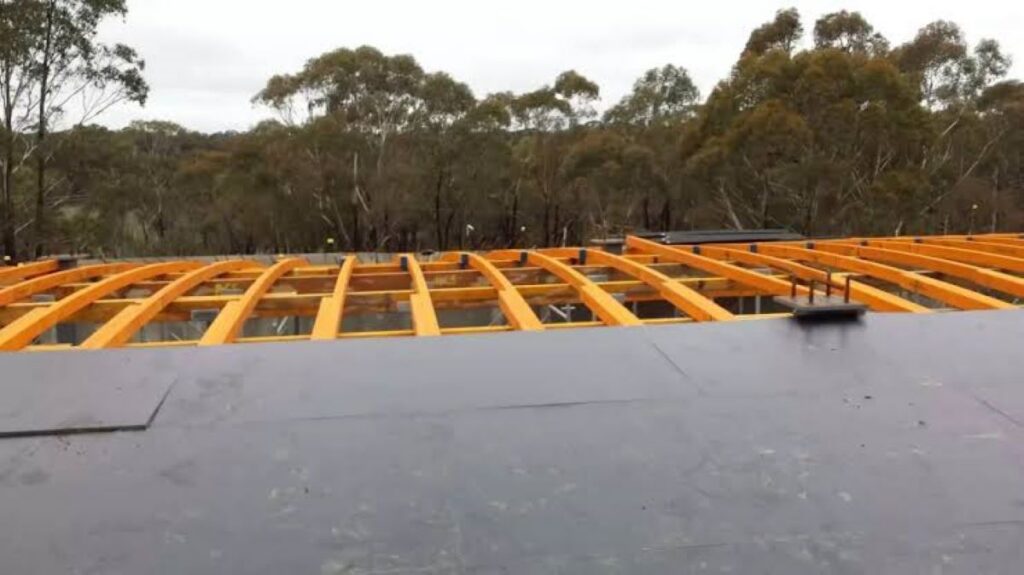
On a building site, formwork plywood is one of those materials that gets pushed hard, then judged harshly when it starts to look rough. People ask the same thing over and over because money is tight and timelines are tighter. How Long Does Formply Last on Site? It depends, but there are patterns, and they are pretty predictable across Australian conditions.
This guide sticks to Australian projects, Australian weather, and the way crews actually use it. No perfect world assumptions.
How Long Does Formply Last on Site in typical Australian conditions?
How Long Does Formply Australia Last on Site? On a typical Australian residential or light commercial job, formply often lasts between 10 and 30 reuses if it is handled well. If it is handled poorly, it can be 5 to 10 reuses and done.
Heat, UV, concrete splash, careless stripping, and poor storage usually decide the outcome more than the brand name. The sheet can look fine early on, then suddenly delaminate once water gets into an edge.
What exactly counts as “lasting” for formply on site?
Most crews mean one of two things. Either the sheet still produces a clean concrete face, or it is still safe and stiff enough to use without bowing and blowing out.
A sheet can “last” structurally but stop “lasting” cosmetically. Once the film is heavily scratched or the face is pitted, the concrete finish drops fast. That is often when they stop using it for exposed pours and demote it to rougher work.
How many pours can formply handle before the film face fails?
On Australian sites, the film face usually fails first due to abrasion and chemical attack from cement paste. With decent release agent use and careful vibration practices, the face can hold up for a couple of dozen uses.
Without release agent, the surface gets torn during stripping. Add aggressive scraping with shovels or crowbars and the film can be compromised within a handful of pours. How Long Does Formply Last on Site? Often as long as the face is protected.
How do rain, humidity, and UV affect formply longevity in Australia?
Rain and humidity are the quiet killers, especially around the coast in NSW and QLD. Water finds the edges, then the core swells and the sheet goes soft.
UV is more of a slow burn, but it matters on open sites in WA, SA, and inland areas. The film face chalks, adhesives can degrade over time, and repeated wet-dry cycles open up tiny pathways for water. How Long Does Formply Last on Site? A lot longer if it is kept out of weather between pours.
Does edge sealing really make formply last longer?
Yes, and it is not subtle. Edge sealing is one of the cheapest life extenders available.
Factory sealed edges are a start, but once a sheet is cut, drilled, or damaged, those raw edges need attention. Sealing cuts with a compatible edge sealer or exterior grade paint reduces swelling and delamination. If a crew ignores cut edges, the sheet life tends to collapse quickly after the first few wet days.
How much does handling and stripping technique change its lifespan?
Handling is often the difference between “good for weeks” and “dead by Friday”. Dropping sheets off a ute, levering against corners, and dragging them across reo all leaves damage that water exploits later.
Good practice is boring and simple. Lift rather than drag, use proper formwork tools for stripping, and avoid smashing corners. How Long Does Formply Last on Site? Usually as long as the crew treats it like a reusable component, not a disposable pallet.
What role do release agents play in extending formply use?
Release agent is basically insurance for the face film. A light, even application reduces bond, reduces tearing during stripping, and lowers the temptation to scrape aggressively.
Too much release agent can cause surface defects in the concrete, so it needs to be applied properly. But no release agent at all is where sheets get destroyed. If the face tears, moisture gets in easier, and the clock speeds up from that point.
Does the concrete finish requirement affect how long they can keep using it?
Absolutely. For suspended slabs or hidden structural pours, they can often keep using sheets long after the face is no longer pretty.
For architectural concrete, exposed soffits, or visible edges, the acceptable life is shorter. The sheet might still be strong, but it is no longer producing the finish the spec calls for. This is why How Long Does Formply Last on Site? has two answers, one for structure and one for appearance.
How do different Australian project types change expected reuses?
A small residential slab job might only need a limited number of cycles, so the sheet “lasts” the whole job even if it is not in perfect shape. Bigger commercial sites cycle formwork hard, which exposes weak storage and handling habits quickly.
Remote projects can be rougher again because replacement is harder, so sheets get pushed beyond ideal. In cities like Sydney, Melbourne, and Brisbane, they may replace earlier because supply is easier and finish expectations can be higher.
How should formply be stored on site to maximise its service life?
Store it flat, off the ground, and under cover. That is the core of it.
If sheets sit on wet soil, they wick moisture. If they are left leaning and warped, they tend to stay warped. If they bake in the sun then get soaked, the wet dry cycling accelerates edge breakdown. How Long Does Formply Last on Site? Usually longer when storage is treated as part of the system, not an afterthought.
When should formply be retired, downgraded, or cut down for smaller tasks?
They should retire it when it becomes unsafe, too flexible, or starts delaminating in a way that cannot be controlled. Soft spots and bubbling are red flags, especially around fixings and edges.
Downgrade it when the face is too scratched for good finish work. Cut it down when corners are damaged but the middle is still sound. Many Australian crews run a “best sheets” pile for exposed work, then progressively move sheets down the chain.
Can formply be repaired, or is it a waste of time?
Minor repairs can be worth it. Re-seal edges, patch small face chips, and keep fixings clean to avoid blowouts around holes.
Major delamination is usually not worth the effort. Once plies start separating, water will keep travelling and the sheet loses stiffness. Crews can waste hours chasing a sheet that will fail again in two pours. How Long Does Formply Last on Site? Not long if delamination has started.
What is a realistic lifespan estimate they can use when budgeting?
For budgeting in Australia, a practical assumption is 15 to 25 reuses for decent film-faced formply on standard pours, assuming reasonable handling and storage. If conditions are wet, salty, or chaotic, assume 10 to 15.
If the project is finish-critical, budget for earlier replacement. If it is rough work, the same stock can often be used longer, but with greater risk of swelling, blowouts, and time lost fighting damaged sheets.
And circling back to the core question, because everyone asks it at some point. How Long Does Formply Last on Site? Long enough to be economical, but only if they protect the edges, use release agent properly, store it like it matters, and stop pretending it is indestructible.
How long does formply typically last on Australian construction sites?
On typical Australian residential or light commercial projects, formply can last between 10 and 30 reuses if handled well. Poor handling can reduce its lifespan to 5 to 10 reuses. Environmental factors like heat, UV exposure, concrete splash, careless stripping, and poor storage significantly influence its durability.
What defines the ‘lasting’ quality of formply on site?
‘Lasting’ for formply usually means either maintaining a clean concrete finish or remaining structurally safe and stiff enough to prevent bowing and blowouts. A sheet might remain structurally sound but lose cosmetic quality due to scratches or pitting, leading crews to reserve it for less visible work.
How do environmental conditions such as rain, humidity, and UV exposure affect formply longevity in Australia?
Rain and humidity, especially in coastal NSW and QLD, cause water ingress at edges leading to core swelling and softening of the sheet. UV exposure causes slow degradation of the film face through chalking and adhesive breakdown, particularly on open sites in WA, SA, and inland areas. Keeping formply protected from weather between pours greatly extends its life.
Does sealing the edges of formply sheets improve their lifespan?
Yes, edge sealing is one of the most cost-effective ways to extend formply life. Factory sealed edges provide a start, but once cut or damaged on site, applying a compatible edge sealer or exterior-grade paint reduces swelling and delamination. Neglecting cut edges often results in rapid deterioration after wet conditions.
How important is handling and stripping technique in determining formply’s service life?
Handling plays a crucial role; improper practices such as dropping sheets from vehicles, levering against corners, or dragging across reinforcement cause damage exploited by moisture later on. Best practice involves lifting sheets properly, using suitable tools for stripping, and avoiding corner damage to ensure longer usability.
What role do release agents play in extending the use of formply on site?
Release agents act as protective insurance for the film face by reducing bonding with concrete and minimizing tearing during stripping. Proper application prevents aggressive scraping that damages the surface. However, over-application can cause surface defects in concrete finishes. Without release agents, sheets are more prone to face tears that accelerate moisture ingress and reduce lifespan.
What Defines an Authentic Japanese Tattoo Artist in Sydney?
An authentic Japanese tattoo artist in Sydney demonstrates mastery of traditional techniques passed down through generations, combined with deep knowledge of cultural symbolism embedded in every design element. These specialists understand that Japanese tattooing—known as irezumi—is not merely decorative but a sophisticated art form where each symbol carries specific meaning and historical significance.
The technical hallmarks distinguish genuine practitioners from general tattoo artists:
Bold, clean line work that creates strong foundations for complex designs
Layered shading techniques (bokashi) that add dimensional depth
Vibrant color saturation using traditional palettes of black, red, green, and yellow
Dynamic compositions that tell visual stories across the skin
Body awareness separates exceptional Japanese tattoo artists from competent ones. Authentic practitioners—including those often regarded as theBest Japanese Tattoo Artist Sydney has to offer—study how designs interact with muscle structure, joint movement, and natural body contours. A dragon wrapping around an arm should follow the bicep’s curve, while large back pieces must consider shoulder blade movement and spine alignment.
Traditional Japanese tattoo techniques used by top Sydney artists require years of dedicated study. The best practitioners often train directly with Japanese masters or immerse themselves in historical references to ensure every design honours centuries-old conventions while adapting to individual body canvases. This commitment to authenticity transforms the skin into living artwork that flows naturally with the human form.
Which Sydney Studios Are Renowned for Authentic Japanese Tattoos?
Sydney is home to several Japanese tattoo studios known for their authentic work that follows traditional techniques. These studios have artists who have deeply studied the craft and many of them have direct ties to Japanese tattoo culture.
1. Authent/Ink Surry Hills
Authent/Ink Surry Hills is one of Sydney’s top places for traditional Japanese tattoos. The artists here specialize in creating large pieces that pay tribute to classical designs and composition rules. Located in the creative area of Surry Hills, the studio is easy to reach for consultations and sessions.
2. Thirteen Feet Tattoo Studios
Thirteen Feet Tattoo Studios has multiple locations in Newtown, Haymarket, and Circular Quay, making it convenient for people in Sydney’s inner suburbs and CBD to access their services. The artists at these studios focus on authentic Japanese styles, paying special attention to traditional color palettes and symbolic accuracy.
3. Lighthouse Tattoo Studios
Lighthouse Tattoo Studios has two locations in Surry Hills and St Peters, where artists specialize in both traditional and contemporary Japanese tattoo techniques. These two locations cater to different areas of Sydney’s inner west, accommodating clients from various neighborhoods.
4. Bunshinren Tattoo Studio
Bunshinren Tattoo Studio stands out because of its direct connections to Japan’s tattoo community. The artists here have trained under Japanese masters, ensuring that the cultural and spiritual aspects of Japanese tattooing are emphasized in their designs. This studio goes beyond just visual appeal by making sure the tattoos carry authentic meaning.
3. What Traditional Motifs Are Commonly Used by These Artists?
Traditional Japanese tattoo motifs carry profound cultural significance that authentic Sydney artists honor in every piece. Each symbol tells a specific story rooted in centuries of Japanese folklore and philosophy.
1. Dragons
Dragon tattoos meaning extends beyond mere aesthetics—these serpentine creatures represent wisdom, strength, and protection in Japanese culture. Artists render them with flowing bodies that wrap naturally around limbs, their scales meticulously shaded to create dimensional depth.
2. Koi Fish
Koi fish tattoos symbolism centers on perseverance and determination. The legend of koi swimming upstream to become dragons inspires designs where these vibrant fish battle against water currents, their direction and color variations adding layers of personal meaning.
Phoenix designs symbolize rebirth and renewal, their elaborate feathers requiring exceptional technical skill to execute properly.
5. Hannya Masks
Hannya masks depict complex emotions—jealousy, rage, and sorrow—representing the duality of human nature.
6. Tigers
Tigers showcase courage and ferocity.
7. Peonies
Peonies signify prosperity and good fortune.
Understanding these cultural meanings allows artists to create compositions that resonate authentically with Japanese tattoo tradition while reflecting each client’s personal journey.
How Do Experienced Artists Ensure Technical Excellence in Their Work?
Technical skill Japanese tattoos Sydney studios demand comes from years of dedicated practice. The best artists spend decades studying traditional Japanese techniques, often learning directly from masters or through extensive research into historical methods. This commitment to mastery separates authentic practitioners from those simply copying designs.
Line clarity shading smoothness tattoos require exceptional hand control and understanding of needle depth. Artists at top Sydney studios execute clean, bold outlines that will remain readable for decades, avoiding the blurred edges that plague amateur work. Their shading transitions flow seamlessly from deep blacks to subtle grays, creating the dimensional quality that brings dragons and koi to life on skin.
Vibrant color application demands precision in pigment selection and layering. Experienced artists know exactly how deep to place each color, which hues will age well together, and how to build saturation without overworking the skin. The reds in a phoenix, the blues in ocean waves, and the greens in dragon scales maintain their intensity through proper technique.
Where to Find the Best Japanese Tattoo Artist Sydney for Authentic Ink means seeking artists who understand body architecture. Large-scale pieces like sleeves and back tattoos are designed to complement muscle structure, with imagery flowing naturally across shoulders, wrapping around biceps, and following the spine’s curve. This anatomical awareness transforms static designs into dynamic artwork that moves with the wearer.
What Is the Typical Process for Getting a Custom Japanese Tattoo in Sydney?
The custom Japanese tattoo process Sydney begins with a collaborative tattoo design consultation where you meet your chosen artist to discuss your vision, preferred motifs, and placement. During this initial session, the artist listens to your ideas while offering expertise on which traditional symbols best represent your story and how they’ll work with your body’s natural contours.
Design Consultation
In the design consultation, you and your artist will:
Discuss your vision for the tattoo
Talk about any specific motifs or symbols you want to include
Decide on the placement of the tattoo on your body
Customization Phase
The customization phase blends your individual preferences with authentic Japanese imagery. Your artist might suggest pairing a dragon with waves to symbolize overcoming challenges, or incorporating cherry blossoms around a koi fish to represent the fleeting nature of perseverance. These conversations shape a design that feels both deeply personal and culturally respectful. Check out more about finding the best tattoos Sydney has to offer.
The Tattooing Process
Once the design is finalized, it’s time to start the tattooing process. This is where patience becomes essential, especially for larger or more complex tattoos:
Sleeve tattoos typically require 15-30 hours across multiple sessions
Back pieces can span 40+ hours over several months
Half-sleeves generally need 10-20 hours to complete
Artists schedule sessions 2-4 weeks apart to allow proper healing between appointments. This extended timeline isn’t a drawback—it gives you time to live with each layer of your tattoo, watching the composition gradually reveal itself. The spacing also ensures your skin recovers fully, maintaining the integrity of previously completed sections while preparing for the next phase of your evolving artwork.
How Is Aftercare Emphasized to Maintain the Longevity of the Tattoo?
Japanese tattoo aftercare Sydney protocols are strictly communicated by artists right after each session to maintain the artwork’s quality. Studios provide clear instructions for the first 2-4 weeks of healing, stressing the importance of gentle washing with fragrance-free soap, pat-drying, and applying thin layers of recommended ointments.
Artists at Sydney’s top Japanese tattoo studios recommend specific healing products that shield vibrant pigments from fading. These usually consist of:
Specialized tattoo balms free from petroleum-based ingredients
pH-balanced moisturizers that promote skin regeneration
Sunscreen with SPF 50+ for long-lasting color preservation
The focus on tattoo longevity care tips goes beyond initial healing. Artists teach clients about avoiding sun exposure during the crucial healing period, staying hydrated to support skin health, and scheduling touch-up sessions when necessary. This all-encompassing approach ensures that where to find the best Japanese tattoo artist Sydney for authentic ink also takes into account post-tattoo care knowledge, not just artistic ability.
Sydney’s tattoo culture stands out for its exceptional blend of artistic diversity and professional standards. The city hosts everything from traditional Japanese irezumi to contemporary fine line work, giving clients access to virtually any style they desire.
The scene thrives on a balanced ecosystem of established studios and independent artists. Major studios like Authentink and Lighthouse Tattoo have built international reputations, while talented solo artists operate from private studios across neighbourhoods like Marrickville, Newtown, and Surry Hills. This mix creates healthy competition that pushes artistic boundaries while keeping services accessible for anyone searching for the best tattoos Sydney has to offer.
What truly sets Sydney apart is its unwavering commitment to quality. Local tattoo styles reflect both technical precision and creative innovation, with artists consistently updating their skills and portfolios. The community maintains strict hygiene protocols that often exceed regulatory requirements—sterilisation procedures, single-use equipment, and clean workspace standards are non-negotiable.
Sydney’s geographic spread also contributes to its uniqueness. Rather than concentrating in one district, tattoo diversity Sydney-wide means you’ll find exceptional artists from Bondi Beach to Darlinghurst, each offering unique aesthetics and expertise. This distribution allows clients to discover artists whose personal style aligns perfectly with their vision, whether seeking bold traditional pieces or delicate minimalist designs.
Which Tattoo Studios Are Considered the Best in Sydney?
The best tattoo studios Sydney offers combine exceptional artistry with proven track records.
Authentink in Surry Hills stands out for its mastery of classic Japanese tattoo styles, housing both resident and guest artists who bring versatility to every project.
Lighthouse Tattoo in Botany employs 12 seasoned professionals, each specializing in distinct techniques ranging from traditional Japanese work to hyper-realistic portraiture.
Bondi Ink gained international recognition through its Netflix series, yet its reputation rests firmly on the studio’s ability to deliver versatile designs in a relaxed beachside atmosphere.
Stone Heart in Darlinghurst distinguishes itself through comprehensive customer care, with six resident artists and rotating guest talents who guide clients from initial consultation through aftercare.
The top Sydney tattoo shops include:
The Darling Parlour in Balmain, a family-operated studio celebrated for authentic old-school American style tattoos. They uniquely offer laser removal services alongside traditional tattooing.
Kaleidoscope at Bondi Beach maintains strict hygiene protocols while covering every conceivable style and piercing option through their experienced team.
Hunter & Fox in Alexandria rounds out the popular tattoo studios with six resident artists specializing in traditional styles, neo-traditional work, fine line details, and vibrant color pieces. Their focus on bold, clean execution has built a loyal following across Sydney’s inner west.
How Do Different Studios Cater to Various Tattoo Styles and Preferences?
Sydney’s leading studios distinguish themselves through specialized expertise in specific tattoo styles Sydney enthusiasts seek. Each establishment has cultivated distinct strengths that attract clients looking for particular aesthetic approaches.
1. Authenticink
Authentink maintains a roster of artists who excel in classic Japanese tattoos, featuring intricate dragons, koi fish, and traditional irezumi techniques. Their diverse team also accommodates clients seeking everything from delicate fine line work to bold contemporary pieces, making them a versatile choice for custom tattoos Sydney collectors appreciate.
2. Lighthouse Tattoo
Lighthouse Tattoo bridges traditional and modern sensibilities with 12 artists covering the full spectrum. Their portfolio spans traditional Japanese motifs, hyperrealistic portraiture that captures stunning detail, and everything between. This range allows clients to find the perfect match for their vision under one roof.
3. Hunter & Fox
Hunter & Fox has carved out a reputation for traditional and neo-traditional work characterized by bold outlines and vibrant colors. Their specialized tattoo artists also handle fine line designs and intricate color work, appealing to those wanting classic tattoo aesthetics with contemporary refinement.
4. Bondi Ink and Kaleidoscope
Bondi Ink and Kaleidoscope offer exceptional versatility, with artists capable of executing virtually any style. Whether you’re after geometric patterns, watercolor effects, blackwork, or tribal designs, these studios maintain teams skilled enough to bring diverse concepts to life with professional execution.
Where Can You Find Talented Independent Tattoo Artists Around Sydney?
Independent tattoo artists in Sydney operate across numerous neighborhoods, offering personalized experiences beyond the traditional studio setting. These local tattoo talents have established private studios and workspaces in areas like Marrickville, Brookvale, Surry Hills, and Newtown, each bringing distinctive artistic voices to the city’s tattoo landscape.
Different Styles in Different Areas
Marrickville has become a creative enclave for artists specializing in illustrative and contemporary styles.
Brookvale attracts those focused on bold, graphic work.
Surry Hills continues to host independent artists working from intimate studio spaces.
Newtown’s bohemian atmosphere supports tattooists creating everything from delicate fine-line pieces to vibrant color compositions.
Unique tattoo designs Sydney clients seek often come from these independent practitioners who aren’t bound by studio house styles. Private studios in Beaconsfield, Five Dock, Rozelle, and Artarmon provide:
Undivided attention during consultations and sessions
Specialized techniques refined through years of independent practice
Custom artwork developed specifically for each client
Artists in Pyrmont, Rosebery, Bankstown, Leichhardt, Chippendale, and Haymarket offer styles ranging from cute minimalist designs to intricate blackwork.
However, it’s essential to remember that not every aspiring artist finds fulfillment in this career path. Many regret becoming a tattoo apprentice, highlighting the challenges that can accompany this profession.
A Local’s Guide to Finding the Best Tattoos Sydney Has to Offer includes exploring these independent artists through Instagram portfolios, word-of-mouth recommendations, and tattoo community forums where clients share their experiences with lesser-known but exceptionally talented artists. Additionally, platforms like Lemon8 can be valuable resources for discovering local tattoo talent and their unique styles. Visit https://www.health.nsw.gov.au/environment/skinpenetration/Pages/default.aspx to get more about skin penetration.
Why Is Researching Studios and Artists Crucial Before Getting Inked?
Choosing a tattoo studio in Sydney requires careful investigation because your skin becomes a permanent canvas. The right match between your vision and an artist’s specialty determines whether you’ll love your tattoo for decades or regret it immediately.
Ensuring Safe Practices
Safe tattoo practices protect you from infections and complications. Licensed studios maintain strict sterilization protocols, use single-use needles, and follow health department regulations. Visiting a studio beforehand lets you observe their cleanliness standards, equipment storage, and overall professionalism.
Understanding Artistic Styles
Researching tattoo artists through their portfolios reveals their true capabilities. An artist might claim versatility, but their Instagram feed shows whether they excel at delicate fine line work or bold traditional pieces. Reviews from previous clients expose patterns in their work quality, reliability, and how they handle design modifications.
Evaluating Customer Service
Customer service quality impacts your entire experience:
Consultation approach: Do they listen to your ideas or push their own agenda?
Communication style: Are they responsive to messages and questions?
Pricing transparency: Do they provide clear quotes without hidden fees?
Aftercare support: Will they be available if healing concerns arise?
Studios with comprehensive aftercare instructions and follow-up check-ins demonstrate commitment beyond the initial appointment. This attention to detail often correlates with superior artistic results and client satisfaction.
In addition, understanding how tattoo consultations work can significantly enhance your experience. A good consultation should feel collaborative, with the artist taking the time to understand your vision while also providing professional advice based on their expertise.
How Can Clients Ensure a Great Tattoo Experience in Sydney?
Book a consultation to discuss your design vision directly with your chosen artist. This meeting allows you to gauge their understanding of your concept and establish rapport before committing.
During your consultation, ask specific questions about hygiene protocols—reputable studios will gladly show you their sterilization equipment and explain their safety measures. Request to see artist credentials and certifications.
Arrive well-rested, hydrated, and fed to your tattoo session. Avoid alcohol for 24 hours beforehand as it thins blood and affects healing.
Follow aftercare instructions precisely as provided by your studio. Each artist may have slightly different protocols, but consistent care ensures your tattoo heals properly and maintains its vibrancy for years. These client tips for tattoos in Sydney will help you achieve the best tattoo experience Sydney offers.
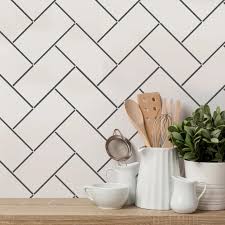
If you’re looking for a tile design that blends classic sophistication with modern flair, herringbone tiles should be at the top of your list for 2025. This pattern has been used for centuries in European architecture, but today it’s experiencing a major resurgence thanks to its geometric beauty, versatility, and ability to instantly elevate any room. Whether you want a bold feature wall, a stylish kitchen splashback, or a luxurious bathroom floor, herringbone tiles offer endless design possibilities that suit both traditional and contemporary homes.
This guide breaks down everything you need to know about herringbone tiles—from layouts and material choices to trending colours, design ideas, and expert styling tips for 2025.
What Makes Herringbone Tiles So Popular?
Herringbone tiles form a V-shaped zig-zag pattern that creates movement and visual interest. Unlike straight or stacked layouts, the herringbone pattern adds depth and direction, making a space feel more dynamic and thoughtfully designed.
Its popularity continues to grow because:
It enhances small spaces by drawing the eye along the pattern’s direction.
It adds personality without overwhelming the design.
It works with a wide range of tile materials and colours.
It brings a premium, high-end feel to both modern and traditional spaces.
Popular Herringbone Tile Layouts
While the herringbone pattern may look complex, there are several variations that work beautifully in different areas of the home. Here are the most common layouts and how they influence the overall aesthetic.
1. Classic 45-Degree Herringbone
This is the traditional pattern most people imagine. Tiles are laid at a 45-degree angle to the floor or wall, creating a striking zig-zag effect. It works beautifully for feature walls and splashbacks because it instantly becomes a focal point.
Best for: kitchens, bathroom feature walls, and fireplaces.
2. Straight Herringbone (90-Degree Pattern)
This version aligns the tiles at 90 degrees, creating a more structured and modern appearance. It feels sophisticated and slightly more contemporary than the classic angle.
Perfect for: floors, hallways, and minimalist interiors.
3. Double Herringbone
This bold layout uses two tiles per “leg” of the pattern, resulting in a chunkier and more dramatic look. It creates a statement and adds depth to larger spaces.
Best used in: open-plan kitchens, living rooms, and large bathrooms.
4. Diagonal or Vertical Herringbone
These layouts play with direction to create height or width illusions.
Vertical herringbone makes ceilings feel taller.
Horizontal herringbone widens compact rooms.
Diagonal herringbone adds movement and visual interest.
Popular Materials for Herringbone Tiles
Herringbone tiles come in various materials, each offering a different aesthetic and durability level. Here’s a look at the top materials trending in 2025.
1. Ceramic Tiles
Ceramic is budget-friendly, easy to clean, and perfect for walls. It comes in endless colours and finishes, making it an easy go-to for kitchens and bathrooms.
2. Porcelain Tiles
Loved for durability, porcelain tiles are moisture-resistant and ideal for high-traffic or wet areas. Porcelain herringbone tiles are popular for showers, bathroom floors, and even outdoor areas.
3. Natural Stone
Marble, travertine, limestone, and slate give the herringbone pattern a luxurious, earthy feel. These materials are more premium and require sealing, but they offer unmatched elegance.
4. Wood-Look Tiles
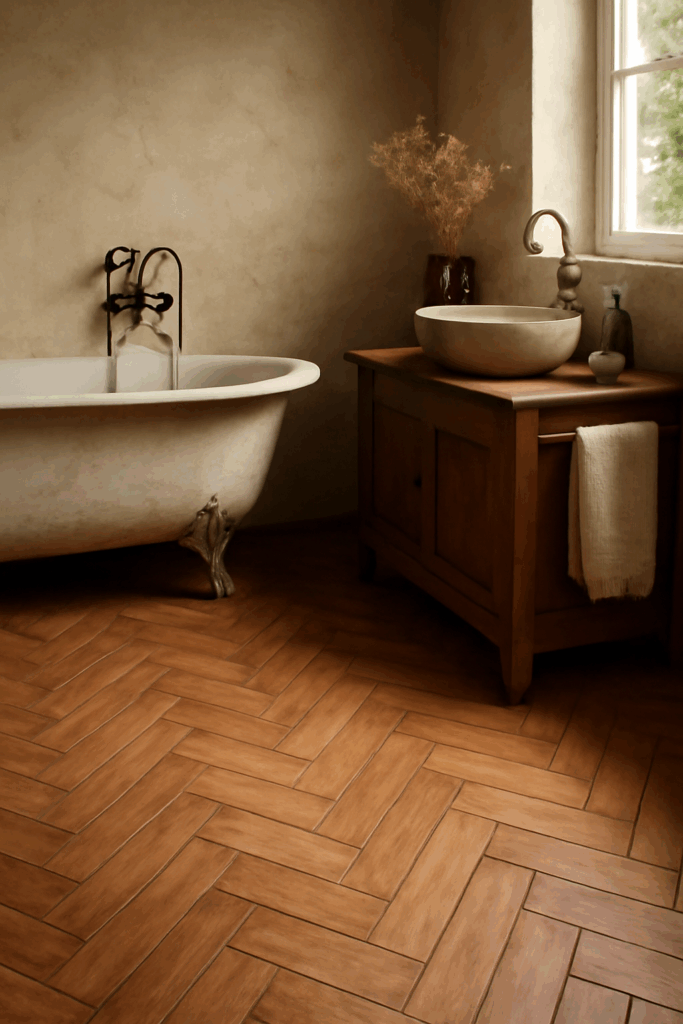
Wood-look porcelain tiles arranged in a herringbone pattern mimic traditional parquet flooring—without the maintenance issues of natural wood. Ideal for living rooms, hallways, and bedrooms.
5. Glass Tiles
Glass herringbone tiles brighten darker spaces and add a glossy, reflective finish. They’re perfect for splashbacks and shower niches.
Colours and Finishes Trending in 2025
As interior trends evolve, herringbone tiles have embraced new colours and textures that bring character to any room. Here are the top trending options for 2025.
1. Soft Neutrals
Beige, cream, taupe, and light grey remain top choices. These calming shades pair perfectly with minimalist, Scandinavian, or coastal interiors.
2. Earthy Greens
From sage to olive, green herringbone tiles bring a natural, grounding feel to kitchens and bathrooms. Green is one of the biggest tile colour trends of 2025.
3. Deep Blues
Navy and midnight blue tiles add richness and sophistication, especially when paired with brass fixtures.
4. Black and Charcoal
These dramatic shades create a bold, modern look. They work best with matte or satin finishes for a sleek feel.
5. High-Gloss White
No trend list is complete without classic glossy white tiles. They make rooms feel brighter and bigger while keeping the design timeless.
6. Textured or Handmade Look Tiles
Tiles with raw edges, natural variation, or handcrafted finishes add organic warmth to any herringbone design.
Best Places to Use Herringbone Tiles in the Home
1. Kitchen Splashbacks
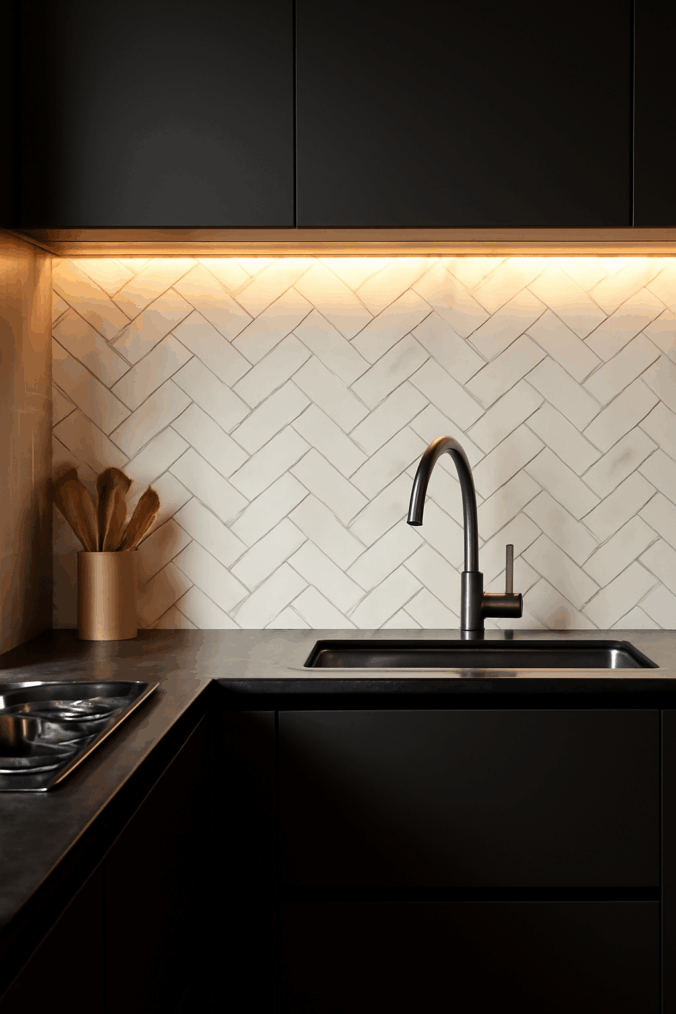
Herringbone splashbacks instantly elevate a kitchen’s look, whether you choose glossy ceramic tiles or bold colours. A 45-degree pattern is particularly eye-catching behind cooktops and sinks.
2. Bathroom Walls and Shower Areas
The upward movement of the herringbone pattern helps elongate small bathrooms. It works well for:
Shower walls
Behind vanities
Feature walls
Use porcelain tiles for moisture-prone areas to ensure durability.
3. Floors in Living Areas
Wood-look porcelain herringbone flooring is one of the hottest interior trends. It brings warmth and elegance but remains resistant to scratches, moisture, and temperature changes.
4. Entryways and Hallways
A herringbone tile floor creates a memorable entrance. Patterns can be laid to guide visual flow into the home.
5. Fireplace Surrounds
Herringbone tiles make a fireplace the star of the room. Marble or matte-black porcelain tiles are especially striking in modern homes.
Pros and Cons of Herringbone Tiles
Pros
✔ Adds timeless elegance ✔ Works with multiple interior styles ✔ Visually enlarges small spaces ✔ Creates movement and depth ✔ Available in many materials and colours ✔ Offers design flexibility through various layouts
Cons
✖ Installation can be more expensive due to complexity ✖ Requires precise measuring and alignment ✖ May create visual “busyness” in small spaces if colours are too bold ✖ Natural stone requires maintenance
Modern Styling Tips for 2025
1. Use the Pattern as a Feature, Not Everywhere
Herringbone looks best when it’s used as a feature wall or accent area. Overusing it can dilute its visual impact.
2. Play with Grout Colours
Light grout creates a subtle, seamless look.
Dark grout adds contrast and highlights the pattern.
Colour-matched grout is trending for a minimalist finish.
3. Combine Textures for Depth
Mix matte floors with glossy walls, or pair textured herringbone tiles with smooth cabinetry for a balanced look.
4. Consider Tile Size for Different Rooms
Small tiles = intricate, detailed pattern
Medium tiles = balanced and modern
Large tiles = bold, contemporary statement
5. Incorporate Lighting
Herringbone tiles look stunning under LED strips, pendant lights, and natural light. Lighting enhances shadows and makes the pattern pop.
FAQS
Are herringbone tiles harder to install?
Yes, herringbone tiles are more complex to install because the pattern requires precise alignment and accurate cutting. Each tile must be positioned carefully to maintain the V-pattern and avoid misalignment. Professional installation is often recommended, especially for large areas or rooms with many edges, corners, or fixtures that require custom cuts.
Do herringbone tiles make small rooms look bigger?
Absolutely. The diagonal movement of the herringbone pattern draws the eye across the room, making spaces feel larger and more open. Vertical herringbone layouts can create height, while horizontal ones widen narrow rooms. Choosing lighter colours or glossy finishes further enhances the sense of spaciousness, especially in compact kitchens and bathrooms.
What is the best tile size for a herringbone pattern?
The ideal tile size depends on the look you want. Traditional herringbone uses smaller rectangular tiles, but modern designs often use 75 × 300mm or 100 × 400mm tiles for a cleaner, more contemporary style. Larger tiles create dramatic lines, while smaller ones deliver intricate detail, particularly in splashbacks or shower niches.
Which rooms benefit most from herringbone tiles?
Herringbone tiles work well in kitchens, bathrooms, entryways, and living areas. Splashbacks and shower walls gain elegant texture from the pattern, while hallways and open-plan floors look more dynamic with wood-look porcelain herringbone. Even fireplace surrounds become luxurious focal points when styled with marble or matte-finished tiles.
Investing in durable furniture transforms your living space into a lasting sanctuary whilst protecting your budget from frequent replacements. Furniture warehouses offer an exceptional opportunity to discover quality pieces at competitive prices, combining immediate availability with diverse selection options that traditional retailers often cannot match.
The difference between home furniture outlet sydney that lasts decades and pieces that deteriorate within years lies in informed decision-making. Warehouses stock everything from solid timber classics to contemporary designs, yet not all items offer equal longevity. Understanding which characteristics signal durability helps shoppers avoid costly mistakes.
This guide shares expert tips specifically tailored for warehouse shopping environments. You’ll learn how to assess material quality, evaluate craftsmanship, and identify pieces that align with both your aesthetic vision and practical needs. Whether you’re furnishing your first home or upgrading existing pieces, these strategies ensure your selections remain functional and beautiful for years to come. Smart warehouse shopping means bringing home furniture that truly stands the test of time.
What Materials Should They Look For to Ensure Durability?
Solid timber furniture is the best choice for durability, lasting much longer than options like particleboard, MDF, and veneer. When looking at furniture in a warehouse, it’s clear that timber’s strength and ability to withstand daily use make it the smartest choice for those wanting their furniture to last.
The Benefits of Timber
Solid wood construction offers structural integrity that engineered materials simply cannot match. A timber dining table can withstand spills, scratches, and the weight of family gatherings for generations, whilst particleboard alternatives may begin deteriorating within five to ten years. The natural density of hardwoods like oak, walnut, and mahogany provides exceptional resistance to impacts and pressure.
Timber pieces also have excellent repair potential. Minor scratches can be sanded out, dents can be steamed, and surfaces can be refinished multiple times throughout the furniture’s lifetime. Cheaper materials lack this resilience—once damaged, they typically require complete replacement rather than simple restoration.
How Material Choice Affects Lifespan
The relationship between material selection and furniture longevity extends beyond initial durability. Durable materials influence how pieces age, maintain structural stability, and respond to environmental factors:
Moisture resistance: Solid timber handles humidity fluctuations better than composite materials, which can swell, warp, or delaminate when exposed to moisture
Joint strength: Quality hardwood accepts traditional joinery techniques like mortise-and-tenon or dovetail joints that create lasting connections
Weight distribution: Dense materials support weight evenly across surfaces, preventing sagging or structural failure over time
Surface resilience: Natural wood grains hide minor imperfections whilst maintaining aesthetic appeal through decades of use
Upholstered furniture demands equal scrutiny regarding frame construction. A sofa with a solid timber frame will maintain its shape and support long after pieces built with softwood or metal frames begin to creak and sag.
Identifying Quality Materials in Warehouse Settings
Warehouse environments present unique challenges for assessing material quality, yet several inspection techniques reveal true construction:
Check exposed edges and joints: Quality solid timber furniture displays consistent grain patterns across all surfaces. Veneer pieces show thin layers of real wood over cheaper substrates.
Tap on surfaces: Solid wood produces a rich sound while hollow or composite materials create a dull thud.
Assess weight: Heavier pieces often indicate denser materials used in construction.
Inspect upholstery: Look for high-quality fabrics or leathers that complement the frame’s durability.
By employing these methods during your search for durable furniture options at warehouses or showrooms alike will ensure you make informed decisions about investments meant to last generations!
How Can Measuring Their Space Improve Furniture Selection?
Accurate measuring space transforms furniture shopping from guesswork into strategic planning. Taking precise measurements of room dimensions, doorways, and existing furniture prevents costly mistakes and ensures every piece serves its intended purpose without overwhelming or underwhelming the available area.
The Foundation of Smart Furniture Choices
Proper measurements create a blueprint for success. Before visiting any furniture warehouse, shoppers should record:
Room length, width, and ceiling height
Doorway and hallway widths for delivery access
Window positions and radiator locations
Existing furniture dimensions that will remain
These numbers become the framework for evaluating potential purchases. A stunning wardrobe loses its appeal when it blocks a radiator or prevents doors from opening fully.
Achieving Optimal Furniture Fit
The relationship between furniture size and room layout directly impacts daily living quality. Pieces that match room dimensions create natural traffic flow whilst maintaining visual balance. A sofa that’s too large for a lounge forces awkward navigation patterns, whilst undersized furniture makes spaces feel empty and disconnected.
Scale matters beyond mere fitting. A dining table should allow comfortable chair movement without scraping walls. Beds require adequate clearance on at least two sides for making bedding and accessing storage. Coffee tables work best when positioned 45-50cm from seating, creating functional reach without obstructing movement.
Common Spatial Mistakes and Their Solutions
Many warehouse shoppers fall victim to preventable errors that compromise their purchases:
Ignoring vertical space leads to missed opportunities. Tall ceilings accommodate statement pieces like four-poster beds or floor-to-ceiling bookcases, whilst low ceilings benefit from horizontal furniture that emphasizes width rather than height.
Forgetting about access routes creates delivery nightmares. Measure staircases, lifts, and tight corners. That perfect sectional sofa becomes problematic when it cannot physically enter the home, regardless of how well it fits the intended room.
Misjudging visual weight occurs when measurements focus solely on physical dimensions. Dark, heavy furniture appears larger than light-coloured pieces of identical size. Dense patterns and bold textures also affect perceived scale.
Neglecting clearance zones around functional furniture reduces usability.
Why Is Style Compatibility Crucial for Long-Term Satisfaction?
Style compatibility determines whether furniture remains a beloved part of your home or becomes a regrettable purchase within months. When new pieces clash with existing decor, they create visual discord that grows more irritating over time, regardless of how well-made they are.
Creating Visual Harmony Through Complementary Design
Furniture that complements your current interior creates a cohesive environment where each piece enhances the others. A mid-century modern sofa placed in a traditional Victorian setting will always feel out of place, no matter its quality. Expert tips for choosing long-lasting pieces from a furniture warehouse emphasize examining how potential purchases relate to your existing furniture’s lines, proportions, and design language.
Consider these style compatibility factors:
Architectural details – Match furniture to your home’s inherent character, whether contemporary, rustic, or classic
Existing focal points – New pieces should support, not compete with, statement items already in the room
Design era consistency – Mixing periods works when done intentionally, but random combinations create chaos
Material relationships – Wood tones, metal finishes, and fabric textures should coordinate across pieces
The Long-Term Impact of Colour Scheme Decisions
Colour choices profoundly affect furniture longevity in your home. Trendy hues like millennial pink or ultra-violet may feel fresh initially but quickly date themselves. Neutral foundations—charcoal, navy, cream, taupe—provide versatility that adapts as your tastes evolve.
Strategic colour layering allows personality without commitment. A neutral sofa accepts seasonal cushion changes, whilst a bright orange sectional demands the entire room revolve around it. This flexibility matters when shopping at furniture warehouses where immediate decisions are necessary.
Timeless Shapes That Transcend Trends
Furniture aesthetics rely heavily on silhouette. Clean-lined pieces with classic proportions remain relevant across decades, whilst overly ornate or aggressively modern designs often feel dated within years. Look for:
Balanced proportions that suit human scale
Simple detailing rather than excessive embellishment
Functional forms where design serves purpose
Versatile profiles
What Storage Features Should They Consider When Buying from a Warehouse?
Storage options transform ordinary furniture into hardworking pieces that serve multiple purposes. When browsing warehouse selections, prioritising furniture with built-in storage capabilities ensures each piece earns its place in the home whilst maximising available space.
Evaluating Multifunctional Furniture
Multifunctional furniture delivers exceptional value by addressing multiple needs through a single purchase. Ottoman beds with hydraulic lift mechanisms reveal cavernous storage compartments beneath the mattress—ideal for seasonal bedding, spare pillows, or out-of-season clothing. Coffee tables featuring drawers or lift-top designs provide concealed storage for remote controls, magazines, and entertainment accessories.
Dining tables with extension leaves and built-in storage compartments accommodate both everyday meals and larger gatherings. Some designs include hidden drawers for storing table linens, cutlery, or serving pieces, keeping dining essentials close at hand without cluttering the space.
Maximizing Organization Through Smart Features
Organization becomes effortless when furniture includes thoughtful storage elements. Wardrobes with adjustable shelving, hanging rails, and shoe racks adapt to changing storage needs over the years. Sideboards with a combination of open shelving and closed cabinets allow for both display and concealment, creating visual interest whilst hiding everyday clutter.
Bedroom furniture sets that include matching storage pieces—such as bedside tables with drawers, under-bed storage boxes, or blanket boxes—create cohesive organization systems. This coordinated approach ensures every item has a designated home
How Do Sustainable Choices Influence Their Furniture Buying Decisions?
Sustainable furniture choices directly impact both environmental health and household budgets. Secondhand warehouses offer pieces that have already served their initial purpose, preventing perfectly functional items from ending up in landfills whilst giving shoppers access to quality furniture at reduced prices.
The Environmental Benefits of Choosing Pre-Owned Furniture
The environmental case for choosing pre-owned furniture proves compelling. Manufacturing new furniture requires substantial resources—timber harvesting, metal extraction, chemical treatments, and energy-intensive production processes. Each secondhand purchase eliminates the need for these resource-depleting activities. A solid wood dresser from a warehouse, for instance, carries no additional carbon footprint from manufacturing, packaging, or long-distance shipping that new furniture demands.
Secondhand warehouses serve as treasure troves of eco-friendly options that challenge the throwaway culture dominating modern consumption. These establishments rescue furniture from disposal, extending the lifecycle of well-crafted pieces that were built to last decades rather than years. The circular economy model they represent keeps materials in use longer, reducing demand for virgin resources and minimizing waste streams.
Cost Savings: Making Sustainability Accessible
Cost savings make sustainability accessible rather than exclusive. Pre-owned solid timber pieces often sell for 40-60% less than comparable new items, allowing budget-conscious shoppers to afford higher-quality materials they might otherwise bypass. A vintage oak dining table from a warehouse typically costs less than a new particleboard alternative, yet delivers superior durability and timeless appeal.
Quality Craftsmanship: The Advantage of Older Furniture
Quality standards in older furniture frequently surpass contemporary mass-produced items. Many secondhand pieces were constructed during eras when craftsmanship and material integrity took precedence over cost-cutting measures. Dovetail joints, solid wood construction, and hand-finished details characterize furniture from previous decades—features increasingly rare in today’s flat-pack market.
Supporting Local Communities through Secondhand Purchases
The sustainability equation extends beyond individual purchases. Supporting secondhand warehouses strengthens local reuse infrastructure, creating jobs in refurbishment, restoration, and retail whilst keeping money circulating within communities. These businesses often partner with charities, house clearance services, and estate sales to divert furniture from waste facilities.
Health Benefits: Reducing Chemical Exposure
Shoppers concerned about chemical exposure find additional benefits in pre-owned furniture. Volatile organic compounds (VOCs) from adhesives, finishes, and treatments have typically off-gassed from older pieces, creating healthier indoor environments compared to new furnishings that may emit harmful chemicals.
What Unique Qualities Can Secondhand Warehouses Offer in Terms of Craftsmanship?
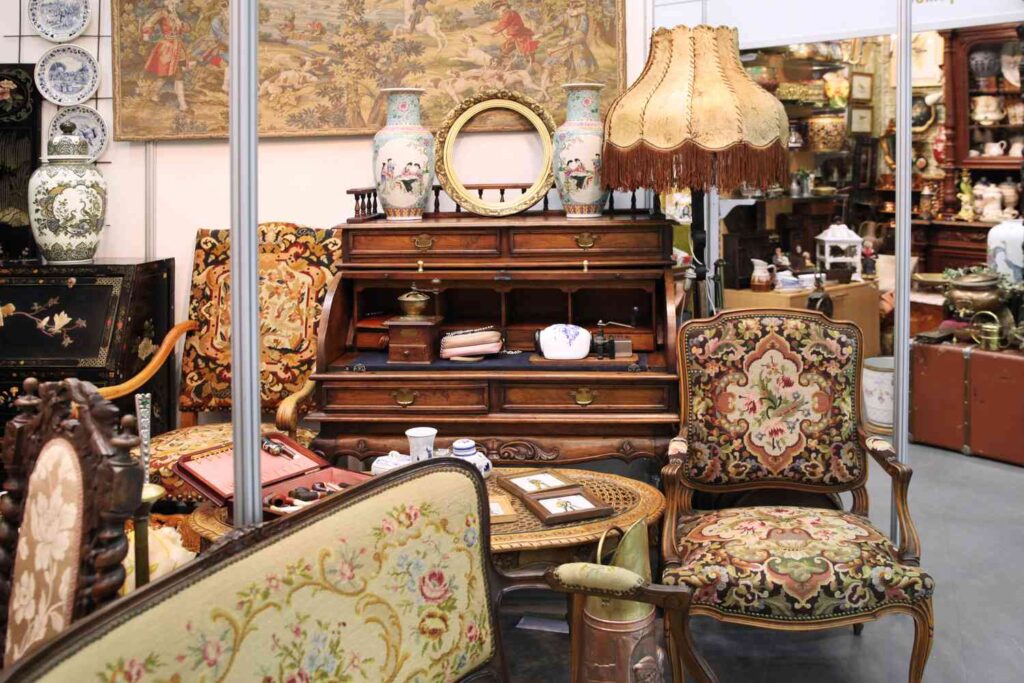
Secondhand warehouses showcase furniture built during eras when unique craftsmanship was the standard, not the exception. These pieces often feature hand-carved details, dovetail joints, and solid construction techniques that modern mass-produced items rarely replicate. The attention to detail in vintage and antique furniture reveals the skill of artisans who prioritised quality over speed.
Retro pieces from mid-century periods frequently display superior joinery methods and premium materials that have already proven their durability through decades of use. A 1960s teak sideboard or a Victorian oak dresser demonstrates construction standards that many contemporary manufacturers have abandoned in favour of cost-cutting measures. These items have survived multiple house moves, different climates, and daily use whilst maintaining their structural integrity.
Distinctive Design Elements Worth Seeking
When exploring secondhand warehouses, shoppers discover furniture with character that cannot be replicated:
Hand-turned legs on tables and chairs that show individual variation
Inlaid wood patterns created through painstaking manual labour
Original hardware such as brass handles and hinges built to last generations
Solid wood construction throughout, rather than veneered particleboard
Mortise and tenon joints that strengthen with age rather than loosening
The investment in well-crafted furniture pays dividends through extended lifespan. A solidly built chest of drawers from the 1950s often outlasts five modern equivalents, making the initial purchase cost negligible when calculated per year of use. Expert tips for choosing long-lasting pieces from a furniture warehouse emphasise examining construction quality above superficial aesthetics.
Recognising Quality Craftsmanship
Inspecting joinery reveals much about a piece’s longevity potential. Pull out drawers to check for dovetail joints rather than stapled corners. Examine table legs for proper attachment methods—screwed or doweled connections indicate thoughtful construction. Solid wood components feel substantial and show natural grain patterns throughout, whilst cheaper alternatives display repetitive printed patterns or hollow sounds when tapped.
Recognising these signs is crucial as they often indicate the item’s value and longevity potential. For an in-depth understanding of how to assess such qualities, refer to this comprehensive guide on recognizing and valuing vintage furniture.
Antique furniture often features repairable construction, allowing future generations to restore rather than replace
Why Is Immediate Availability an Advantage When Purchasing from Furniture Warehouses?
Immediate availability transforms the furniture buying experience by eliminating the frustrating wait times common with traditional retailers. Furniture warehouses maintain extensive ready stock furniture on-site, allowing customers to walk in, select their pieces, and take them home the same day.
This instant gratification proves invaluable for those facing urgent furnishing needs. New homeowners moving into unfurnished properties, tenants with sudden relocation requirements, or individuals replacing damaged furniture cannot always afford to wait weeks for delivery. Warehouse shopping addresses these time-sensitive situations by providing solutions on the spot, unlike traditional retailers who often leave customers in a lurch with backordered items.
The Practical Benefits of No Delivery Delays
No delivery delays means complete control over the purchasing timeline. Customers avoid the uncertainty of delivery windows, missed appointments, and rescheduling headaches. The ability to transport furniture immediately also reduces the risk of damage during transit, as buyers can personally oversee the loading and unloading process.
Warehouses typically offer:
Same-day collection services
Assistance with loading larger items
Immediate payment and ownership transfer
Flexibility to inspect pieces thoroughly before purchase
Cost Savings Through Self-Collection
Choosing ready stock furniture with immediate pickup often eliminates delivery fees entirely. These charges can add £50-£200 to a purchase, depending on distance and item size. Self-collection puts that money back in the customer’s pocket or allows for investment in additional pieces.
Moreover, it’s essential to understand that once a transaction is completed in a warehouse setting, it usually follows the guidelines outlined in legal frameworks such as NRS 104, ensuring smooth ownership transfer and reducing post-purchase complications.
The warehouse model also enables spontaneous purchasing decisions. Shoppers can browse without pressure, make confident choices based on physical inspection, and leave with their selections within hours. This hands-on approach particularly suits those who prefer tactile evaluation of materials, construction quality, and finish before committing to a purchase.
How Does Buying Locally Benefit Both Shoppers and Communities?
Purchasing from local furniture warehouses creates a direct economic impact that strengthens your neighbourhood. Every pound spent at a nearby warehouse circulates within the community, funding local wages, supporting regional suppliers, and generating tax revenue that maintains public services. This community reinvestment creates a multiplier effect where your furniture purchase contributes to better schools, improved infrastructure, and enhanced local amenities.
Local warehouses employ residents from your area, providing stable jobs that keep families financially secure. When you support local economy through these purchases, you’re helping maintain employment opportunities that might otherwise disappear to online retailers or distant chain stores. These jobs often include skilled craftspeople, delivery drivers, customer service staff, and warehouse managers who live and spend within your community.
The environmental advantages of buying locally extend beyond the furniture itself. Shorter transportation distances mean reduced carbon emissions compared to items shipped from distant locations or overseas manufacturers. Local warehouses typically source their inventory regionally, creating a more sustainable supply chain that benefits both the environment and nearby businesses.
Personal relationships form another valuable aspect of local shopping. Staff at neighbourhood warehouses develop expertise about their inventory and can offer tailored advice based on genuine product knowledge. They remember repeat customers, understand local housing styles, and provide after-sales support that distant retailers cannot match.
Local furniture warehouses often participate in community events, sponsor local initiatives, and contribute to charitable causes within their operating area. Your purchase helps fund these community-building activities, creating social value that extends far beyond the transaction itself. These businesses have vested interests in maintaining their reputation among neighbours, ensuring higher standards of customer service and product quality.
Can Some Warehouse Pieces Be Customized Through DIY Projects?
Yes, many warehouse furniture pieces serve as excellent foundations for DIY customization projects. Solid timber furniture from warehouses offers the perfect canvas for creative transformation, allowing buyers to refresh dated pieces or adapt them to match evolving interior styles without compromising their structural integrity.
The DIY potential of warehouse finds extends far beyond simple aesthetic updates. Well-constructed pieces made from quality materials can withstand multiple refinishing projects throughout their lifetime. A sturdy wooden dresser purchased at a fraction of retail price becomes an investment piece when personalised to reflect individual taste.
Simple Techniques for Transforming Warehouse Finds
Repainting furniture ranks among the most accessible customisation methods. A fresh coat of paint can completely revitalize a solid wood piece, transforming it from outdated to contemporary. Chalk paint, in particular, requires minimal surface preparation and adheres beautifully to most wooden surfaces. Shoppers can experiment with bold colours, subtle neutrals, or even decorative techniques like distressing or stenciling.
Reupholstering projects breathe new life into chairs, ottomans, and headboards found in warehouse settings. Vintage pieces often feature superior frame construction compared to modern alternatives, making them ideal candidates for fabric updates. Basic upholstery skills can be learned through online tutorials, whilst more complex projects might justify professional assistance given the quality of the underlying piece.
Practical Considerations for DIY Success
Before committing to a warehouse piece for customisation, assess its structural soundness. Check for:
Stable joints and secure connections
Minimal water damage or wood rot
Smooth surfaces suitable for refinishing
Quality hardware that functions properly
These expert tips for choosing long-lasting pieces from a furniture warehouse ensure DIY efforts enhance rather than mask fundamental flaws. A well-chosen piece with good bones will reward creative investment with decades of continued service.
Conclusion
Choosing furniture that lasts requires a balanced approach. Durability is the most important factor in any smart purchase, but it should also go hand-in-hand with style compatibility, sustainable practices, and functional design. The expert tips for choosing long-lasting pieces from a furniture warehouse shared throughout this guide empower you to make informed decisions that serve both your immediate needs and long-term satisfaction.
Quality materials like solid timber, accurate spatial planning, and thoughtful consideration of storage features transform ordinary purchases into lasting investments. Whether you’re drawn to secondhand treasures with unique craftsmanship or new pieces that complement your existing décor, each choice contributes to creating a home that reflects your values and aesthetic vision.
Ready to find furniture that lasts? Visit your local furniture warehouse today and apply these expert strategies. Measure your space, inspect materials carefully, and don’t hesitate to envision how a piece might evolve through simple DIY updates. Your perfect, long-lasting furniture awaits.
What Materials Should I Look For When Choosing Long-Lasting Furniture?
Opt for solid timber such as oak, walnut, or mahogany, which provides superior durability compared to particleboard, MDF, or veneer. Solid wood resists wear, can be refinished multiple times, and features natural strength and density that withstands daily use for decades.
How Can I Tell If a Piece of Furniture is Made from Quality Materials in a Warehouse Setting?
Use your senses—tap the surface to hear if it’s solid or hollow, check grain patterns for consistency (solid wood vs veneer), and lift the item to assess weight (heavier is usually better). Examine exposed joints and look for quality joinery such as dovetails or mortise-and-tenon construction.
Why is Measuring My Space Before Buying Furniture So Important?
Accurate measurements prevent buying pieces that are too large, too small, or difficult to move into your space. Measure room dimensions, doorways, hallways, window placements, and account for traffic flow and clearance zones. This ensures both comfort and practicality.
What Are the Most Durable Frame Materials for Upholstered Furniture Like Sofas or Chairs?
Choose upholstered furniture with solid hardwood frames—they hold their shape, resist warping, and remain supportive long after cheaper metal or softwood frames begin sagging. Avoid frames made from plastic or particleboard, which degrade quickly under pressure.
How Do I Choose Furniture That Matches My Existing Style and Will Age Well Over Time?
Stick with timeless silhouettes and neutral tones that can evolve with your décor. Evaluate how a piece complements your home’s architecture, existing colour scheme, and furniture styles. Avoid trend-driven designs unless you’re confident in reworking the piece later.
What Storage Features Should I Prioritise for Long-Term Functionality?
Look for multi-functional furniture with hidden or integrated storage—lift-top coffee tables, ottoman beds, sideboards with shelving, or bed frames with under-bed drawers. These features reduce clutter and increase utility without requiring additional storage units.
Are Secondhand Pieces from Warehouses a Good Investment?
Yes. Secondhand furniture often boasts superior craftsmanship, durable materials, and unique design features. Many vintage items are made from solid wood and feature joinery that surpasses today’s mass-market alternatives. They’re also more sustainable and often cost less
What Are the Benefits of Buying Furniture from a Local Warehouse Instead of a Chain Retailer?
Local warehouses offer immediate availability, lower prices, and stronger ties to the community. You can often inspect pieces in person, avoid long delivery waits, and support local jobs and sustainability through shorter transportation distances and reused stock.
Can I Customise Warehouse Furniture Through DIY Projects?
Absolutely. Solid timber pieces from warehouses are ideal for painting, refinishing, or reupholstering. Ensure the piece has “good bones” (solid structure and joinery) before investing time in customisation. DIY updates can turn budget finds into personalised heirlooms.
How Do Sustainable Furniture Choices Benefit Me and the Environment?
Sustainable choices—like buying pre-owned furniture or choosing locally-made, durable items—reduce waste, save money, and lower your home’s environmental impact. Older pieces often emit fewer VOCs and support a circular economy by extending furniture life cycles.
Modular sofas are changing the way we think about living spaces. They offer a level of flexibility that traditional sofas just can’t compete with. These innovative pieces of furniture are made up of individual sections that can be connected together, allowing you to create custom arrangements that perfectly fit your needs and the dimensions of your room.
The growing popularity of designer modular sofas is largely due to their ability to adapt to your lifestyle. Whether you’re hosting a big get-together, creating a cosy conversation area, or accommodating a growing family, these versatile pieces can be adjusted to meet your changing needs without the need to buy new furniture.
Here are some key benefits of using modular sofas:
Adaptability: You can rearrange the sections whenever you want, whether it’s seasonally or whenever you feel inspired.
Space optimisation: In compact or oddly shaped rooms, modular sofas help you make the most of every square metre.
Personalised styling: You have the freedom to choose fabrics, colours, and configurations that reflect your unique style.
Future-proofing: As your living situation changes, you can easily add or remove modules to accommodate those changes.
This approach to transforming your living room empowers homeowners to refresh their interiors simply by rearranging furniture instead of going through expensive renovations. It’s a smart investment for modern living where flexibility and adaptability are key.
1. What Makes Modular Sofas Adaptable and Flexible?
Modular sofas function as furniture building blocks that you can arrange and rearrange to match your changing needs. Each section—whether an armless chair, corner piece, or ottoman—connects seamlessly with others, creating countless modular sofa configurations that adapt to your lifestyle.
The beauty of adaptable sofas lies in their ability to evolve with you. When you host a dinner party, separate the modules into individual seats around the room. For film nights, push them together into a sprawling lounger. Expecting guests? Reconfigure the pieces into a guest bed arrangement. This flexible furniture layout approach means your investment continues serving different purposes year after year.
Unlike traditional sofas that lock you into one arrangement, modular pieces let you experiment with your space without financial commitment. Move a chaise from the left side to the right, swap corner sections to open up walkways, or remove modules entirely to create more floor space. The sections remain fully functional whether used together or independently.
This adaptability proves particularly valuable when life circumstances shift—moving house, welcoming a new baby, or simply craving a fresh aesthetic. Your modular sofa moves with you, fitting into different room dimensions and layouts. The modules that formed an L-shape in your previous flat might create a U-shaped conversation pit in your new home, all without purchasing additional furniture.
2. How Can Modular Sofas Help Zone Your Living Room?
Modular sofas excel at dividing open-plan spaces into distinct functional areas without the need for walls or permanent partitions. Strategic modular sofa arrangement allows you to separate your living room into dedicated zones—perhaps a conversation area facing a fireplace and a media zone oriented toward the television, or a reading nook distinct from the main seating cluster.
Zoning with sofas becomes particularly valuable in challenging room layouts:
L-shaped living rooms benefit from corner modules that naturally define the seating boundary whilst maintaining visual connection across spaces
Long, narrow rooms can be divided using a sofa positioned perpendicular to the longest wall, creating an intimate seating area at one end and leaving space for other activities beyond
Open-plan living-dining areas work well with a sofa acting as a subtle room divider, with the back of the sofa facing the dining zone
Large square rooms often feel cavernous with traditional furniture pushed against walls; floating modular sections in the centre creates cosy living room zones whilst preserving circulation space around the perimeter
Awkwardly shaped rooms with bay windows, alcoves, or angled walls pose difficulties for standard sofas. Modular sections adapt to these quirks—single chairs tuck into alcoves, whilst larger modules occupy the main floor area. This flexibility transforms problematic architectural features into design opportunities rather than obstacles.
3. How Do Modular Sofas Make the Most of Space?
Modular sofas maximize every square metre by allowing you to arrange sections that fit your room’s exact size while still leaving clear paths for movement. Unlike fixed sofas that leave awkward gaps or block natural furniture routes, individual modules can be positioned to create generous seating without blocking walkways—this is crucial for making the most of space in smaller homes.
Smart positioning changes tricky layouts:
Wall-hugging configurations work brilliantly in small living rooms, where pushing modules against perimeter walls frees up central floor space and creates an open, breathable atmosphere. This aligns well with how to arrange furniture for optimal space usage.
Peninsula arrangements extend from one wall into the room, providing ample seating whilst defining boundaries without solid barriers.
Back-to-back positioning in open-plan spaces uses the sofa as a room divider, separating living and dining zones whilst maximising seating on both sides.
The beauty of these ideas lies in their ability to adapt to narrow, long, or L-shaped spaces where traditional three-seaters simply won’t work. A three-module arrangement along a long wall can accommodate more people than a standard sofa whilst keeping the centre of the room clear for circulation.
4. What Customisation Options Are Available for Modular Sofas?
Sofa customisation transforms a standard piece into a perfectly tailored centrepiece that reflects your personal style. Modular sofas offer extensive personalisation options that let you design exactly what your living room needs.
Fabric Options
Fabric options represent the most visible customisation choice, with materials ranging from luxurious velvet and durable linen to easy-clean performance fabrics. Colour palettes span neutral tones for timeless appeal or bold hues that make a statement. Texture selection adds another dimension—smooth leather creates sophistication whilst woven fabrics bring warmth and casual comfort.
Leg Styles
Leg styles might seem minor but dramatically affect the overall aesthetic:
Wooden legs in oak, walnut, or painted finishes suit traditional or Scandi-inspired spaces
Metal legs in brass, chrome, or matte black complement contemporary interiors
Low-profile or hidden bases create a floating appearance ideal for minimalist designs
Additional Features
Additional features expand functionality beyond basic seating. Chaise lounge modules provide stretched-out relaxation zones, whilst recliner sections add cinema-style comfort. Some modular systems include adjustable headrests, built-in USB charging ports, or convertible armrests that double as side tables.
The beauty of modular design means you can start with essential pieces and add specialised modules later as your budget or needs evolve, creating a truly bespoke seating solution.
5. How Can Modular Sofas Serve Multiple Functions?
Multi-functional sofas transform compact living rooms by combining seating with practical storage solutions. Many modular designs feature hidden storage compartments beneath seat cushions or within armrests, perfect for stashing blankets, magazines, remote controls, and children’s toys without cluttering your space.
These versatile pieces address the challenge of limited square footage in urban flats and smaller homes. A modular section that doubles as a storage unit eliminates the need for separate cabinets or ottomans, freeing up valuable floor space whilst keeping essentials within arm’s reach.
Beyond storage, modular sofas can incorporate sleeper sections that convert into guest beds—ideal for hosting overnight visitors without dedicating an entire room to occasional use. Some designs include adjustable backrests that shift from upright seating positions to reclined lounging angles, adapting to different activities throughout the day.
The modularity itself adds functionality, as individual sections can serve as standalone seats when hosting larger gatherings. Pull apart your L-shaped configuration to create separate seating clusters during parties, then reassemble it for everyday family use. This flexibility proves particularly valuable in studio apartments or multi-purpose rooms where furniture must adapt to various scenarios, from working from home to entertaining friends or relaxing with family movie nights.
6. What Styling Tips Enhance The Look Of Modular Sofas?
Styling modular sofas effectively starts with selecting the right accessories to create visual cohesion. Layer cushions in varying sizes and textures—mix solid colours with patterns that complement your sofa fabric whilst keeping to a consistent colour palette of three to four shades maximum.
Area rugs anchor modular arrangements and define seating zones within larger spaces. Choose a rug large enough that all front legs of your sofa modules sit comfortably on it, creating a unified seating area that feels intentional rather than scattered.
Side tables and coffee tables should match the scale of your modular configuration. For L-shaped arrangements, a round or oval coffee table softens angular lines, whilst rectangular tables work well with straight sectional layouts. Keep table heights consistent with seat cushions for comfortable reach.
Throws draped casually over one section add warmth and invite relaxation. Select materials that contrast with your upholstery—a chunky knit throw pairs beautifully with smooth leather, whilst linen complements velvet textures.
Wall art and lighting complete the styling picture. Position artwork at eye level when seated, and use floor lamps or pendant lights to illuminate reading corners created by individual modules. These clever modular sofa ideas to customise and refresh your living room transform functional furniture into a designer-worthy focal point that reflects your personal aesthetic.
7. What Practical Considerations Should Be Made When Choosing Modular Sofas?
Measure doorways, hallways, and staircases before purchasing any modular pieces. Individual modules must navigate these spaces during delivery and future rearrangements. Standard doorways typically measure 76cm wide, so verify each section’s dimensions against your home’s access points to avoid delivery-day disappointments.
Fabric durability becomes paramount for busy households. Performance fabrics with high rub counts (above 25,000 Martindale) resist wear from daily use, whilst stain-resistant treatments protect against spills. Leather and microfibre options offer easy cleaning for homes with pets or children, though tightly woven textiles also provide excellent resilience.
Key practical sofa tips for selection:
Test comfort thoroughly – sit on modules both individually and when connected, as some configurations may create uncomfortable seams
Check connection mechanisms – secure clips or brackets prevent sections from separating during use
The depth of seat cushions affects both comfort and room proportions. Deeper seats (beyond 60cm) suit lounging but consume more floor space, whilst shallower options work better in compact rooms. Removable, washable covers add practicality for maintaining freshness throughout the sofa’s lifespan.
How Can Changing Modular Sofa Configurations Refresh A Living Room?
Modular sofa reconfiguration offers an instant room makeover without the expense or disruption of major renovations. Simply rearranging your existing modules transforms the entire feel of your space, making it one of the most cost-effective ways to update your home.
Switching from an L-shaped arrangement to separate seating clusters creates a more conversational atmosphere perfect for entertaining. Alternatively, converting a straight sofa into a U-shape configuration adds extra seating capacity when hosting guests. Adding or repositioning a chaise module introduces a relaxed lounging zone that changes the room’s functionality entirely.
Refreshing living room layout becomes effortless when you experiment with different configurations seasonally. A cosy corner arrangement works beautifully for winter evenings, whilst an open, airy setup suits summer gatherings. This flexibility means your living space evolves alongside your lifestyle needs.
The beauty of clever modular sofa ideas to customise and refresh your living room lies in their simplicity—no contractors, no major purchases, just creative rearrangement that breathes new life into your existing furniture investment.
Modular sofas are made of individual sections (like corner units, armless chairs, ottomans, and chaises) that can be arranged in various configurations. Each piece connects seamlessly with others, allowing you to design a layout that fits your space, needs, and style preferences. Their flexibility makes them ideal for modern, dynamic living spaces.
How Can Modular Sofas Adapt to My Changing Lifestyle?
Modular sofas are designed to grow with you. Whether you move homes, host guests, start a family, or want a new look, modular pieces can be added, removed, or rearranged to suit your current situation—without needing to buy a new sofa. They’re a practical, future-proof investment.
Can Modular Sofas Help Define Zones in Open-Plan Rooms?
Yes. Modular sofas are excellent tools for zoning open-plan spaces. Use them to subtly divide living and dining areas, create a reading nook, or define a media zone. Strategic placement—like using the back of a sofa to separate spaces—can replace the need for partitions or walls.
How Do Modular Sofas Help Save Space in Small or Awkward Rooms?
In smaller rooms or homes with unusual layouts, modular sofas make the most of available space. You can fit pieces into corners, arrange them along walls, or float them in the centre of the room without wasting square footage. This tailored fit helps maximize seating while maintaining flow.
What Customisation Options Are Available with Modular Sofas?
Customisation includes fabric (velvet, linen, leather, performance textiles), colour, leg style (wood, metal, low-profile), and added features like recliners, storage, or USB ports. You can build your ideal configuration from the ground up or start small and add modules over time.
Do Modular Sofas Offer Multi-Functional Benefits?
Absolutely. Many designs include hidden storage, sleeper modules for guests, and convertible components that serve as beds or loungers. This is especially useful in smaller homes or studios where every piece of furniture needs to serve multiple purposes.
How Can I Style a Modular Sofa to Match My Decor?
Use layered cushions in complementary colours and textures, a rug to anchor the arrangement, and scaled side tables to enhance both function and aesthetics. Throws, lighting, and wall art can further personalise the space while unifying your modular layout
What Should I Consider Before Buying a Modular Sofa?
Measure your doorways and access points, check fabric durability, and test comfort and connection mechanisms. Opt for high-density cushions and performance fabrics if durability is a priority. Removable covers and warranties add long-term value and practicality.
Can I Rearrange My Modular Sofa to Refresh My Living Room?
Yes—rearranging modular pieces is a cost-effective way to refresh your space. Switch from an L-shape to a U-shape, add a chaise, or break the setup into individual chairs. This allows you to change the room’s function or vibe without spending on new furniture.
Are Modular Sofas a Good Long-Term Investment?
Modular sofas are built for longevity, adaptability, and evolving needs. Unlike fixed sofas, they grow with your lifestyle, support design flexibility, and can be updated piece by piece. They’re ideal for homeowners looking for both practicality and design freedom over time.
Outdoor living has become an essential part of modern home design. From stylish patios to elegant walkways, homeowners today want their outdoor spaces to reflect the same beauty and sophistication as their interiors. One material that has quickly risen to the top for outdoor applications is terrazzo. Known for its durability, unique style, and eco-friendly advantages, terrazzo tiles are the perfect choice for patios and walkways.
In this guide, we’ll explore why terrazzo is trending again, its history, the benefits it offers, and how it can elevate your outdoor living spaces.
The History of Terrazzo Tiles
Terrazzo originated in Venice in the 15th century when marble workers repurposed leftover stone chips by setting them into clay or lime. Over time, it evolved into a refined flooring technique using cement and resin binders.
By the mid-20th century, terrazzo was widely used in public spaces like airports, hotels, and schools due to its durability and timeless appeal. Today, it has been reinvented with modern finishes and sustainable materials, making it a top choice for both interiors and exteriors.
Why Terrazzo Is Trending in Modern Homes
So why are terrazzo tiles making such a strong comeback in outdoor design?
Stylish versatility: Terrazzo works equally well in minimalist, modern, or rustic outdoor settings.
Durability: Perfect for Sydney courtyards or California patios, terrazzo withstands harsh weather.
Design freedom: With endless color and aggregate options, terrazzo can be customized to match any landscape design.
Eco-conscious appeal: Many terrazzo tiles are made using recycled stone and glass, making them sustainable.
In outdoor living, homeowners want materials that balance beauty with resilience—exactly what terrazzo delivers.
Benefits of Using Terrazzo Tiles Outdoors
Long-Lasting Strength
Terrazzo tiles are built to endure. They resist cracking, fading, and weathering, even under heavy foot traffic or exposure to rain and sun.
Low Maintenance
Unlike timber decking or natural stone that requires frequent sealing, terrazzo needs only occasional resealing and regular cleaning to stay looking beautiful.
Elegant Style
The speckled mosaic effect of terrazzo adds visual interest to patios and walkways, instantly elevating the overall design.
Slip Resistance
When finished with a textured surface, terrazzo provides excellent grip, making it safe for outdoor areas that may get wet.
Eco-Friendly Choice
Terrazzo often contains recycled materials, giving homeowners a sustainable and stylish flooring option.
Popular Areas to Install Terrazzo Outdoors
Patios
Terrazzo patios are both practical and stunning. Their smooth yet durable surface provides a perfect space for outdoor dining, lounging, or entertaining.
Walkways and Garden Paths
Terrazzo walkways add charm and sophistication to gardens. Their durability ensures paths remain intact, even in high-traffic areas.
Pool Surrounds
Textured terrazzo is an excellent choice for pool areas because it resists water damage and provides slip resistance.
Outdoor Kitchens
Pair terrazzo flooring with stainless steel appliances for a modern, luxurious outdoor cooking space.
How to Style Terrazzo Outdoors
Styling terrazzo outdoors is all about blending it with natural elements:
Neutral terrazzo tiles paired with greenery create a calming, spa-like atmosphere.
Bold, colorful terrazzo can be used as a focal point in entertainment patios.
Combine terrazzo with timber furniture to add warmth to its cool finish.
Use terrazzo in geometric patterns for a contemporary, designer-inspired look.
Globally, from Sydney rooftops to Los Angeles gardens, terrazzo is celebrated for its ability to merge seamlessly with indoor-outdoor living trends.
Maintenance Tips for Terrazzo Tiles Outdoors
Regular cleaning: Sweep and hose down to prevent dirt buildup.
Seal appropriately: Outdoor terrazzo should be sealed every 1–2 years to protect against stains and weather.
Avoid acidic cleaners: They can damage terrazzo surfaces.
Check grout lines: Reapply grout when necessary to prevent moisture seepage.
Repair chips promptly: Though rare, repairing small chips quickly prevents bigger issues later.
Eco-Friendly Advantages of Terrazzo
For eco-conscious homeowners, terrazzo offers several sustainable benefits:
Recycled content: Many terrazzo tiles are made using waste marble, stone, or glass chips.
Longevity: Its decades-long durability reduces the need for replacements.
Low VOC options: Resin-based terrazzo can be produced with minimal off-gassing, improving air quality.
Local sourcing: In many regions, terrazzo materials are locally produced, reducing carbon emissions.
By choosing terrazzo, you’re investing not just in beauty but also in a greener future.
FAQs About Outdoor Terrazzo Tiles
Are terrazzo tiles durable enough for outdoor use?
Yes, terrazzo tiles are exceptionally durable and designed to withstand heavy use and outdoor conditions. When properly sealed and installed, they resist fading, cracking, and moisture damage, making them ideal for patios, walkways, and even poolside areas.
Do terrazzo tiles get slippery outdoors?
Polished terrazzo may be slippery when wet, but outdoor-specific terrazzo tiles are often textured to provide excellent slip resistance. Choosing the right finish ensures safety, especially for patios, walkways, and pool surrounds.
How do terrazzo tiles hold up in extreme weather?
Terrazzo is highly weather-resistant. It can handle hot sun, rain, and even frost if properly installed and sealed. This makes it an excellent choice for regions with diverse climates, from Sydney’s coastal weather to colder international zones.
Are terrazzo tiles expensive compared to other outdoor materials?
While terrazzo can be more expensive upfront than concrete or ceramic tiles, its longevity and minimal maintenance make it cost-effective in the long run. Unlike timber decking or cheaper tiles, terrazzo can last decades with minimal upkeep.
How often should I reseal outdoor terrazzo tiles?
For outdoor use, resealing every 1–2 years is recommended. This protects terrazzo from stains, moisture, and UV exposure, ensuring your patio or walkway maintains its beauty and durability for decades.
Few design choices have the power to transform a room quite like herringbone tiles. This elegant zigzag pattern, created by laying rectangular tiles in a V-shaped arrangement, is both timeless and versatile. Whether used on floors, walls, or splashbacks, herringbone instantly introduces texture, depth, and sophistication to interiors.
In recent years, herringbone has been enjoying a modern design resurgence, not only in Australia but globally. Homeowners and interior designers alike are rediscovering its charm—appreciating how a simple arrangement of tiles can create such a powerful design statement. From bathrooms to kitchens and even outdoor living areas, herringbone is proving to be more than just a pattern; it’s a design staple that elevates spaces with effortless elegance.
But to truly appreciate the art of herringbone, it’s worth looking back at its origins, understanding why it has become so popular again, and learning the best ways to use it in modern interiors.
The herringbone pattern dates back thousands of years, long before it was admired on bathroom walls or timber floors. Its name is inspired by the bones of a herring fish, which resemble the iconic zigzag design.
The Romans were among the first to use this layout in their construction. Known as opus spicatum, herringbone was a clever engineering solution for paving roads. The interlocking design absorbed pressure and movement, preventing the bricks from shifting. This practicality gave the pattern its first legacy of strength and durability.
Centuries later, herringbone made its way into European aristocratic homes, particularly in the 16th century. It was most famously used in wooden parquet floors in French châteaux and Italian villas, where the design symbolized elegance and refinement. Its geometric precision and rhythmic flow quickly established it as a mark of luxury.
Over time, herringbone transitioned from roads and grand halls to more everyday applications, eventually finding its place in modern tilework. Today, it continues to bridge the gap between heritage style and contemporary chic.
Why Herringbone is Back in Style
Herringbone tiles are having a moment once again, and it’s easy to see why.
Timeless Appeal – Unlike passing fads, herringbone has proven its staying power. It feels equally appropriate in a traditional heritage home as it does in a modern city apartment.
Versatility – The pattern can be laid in different scales and materials, meaning it suits a wide range of interior styles—from Scandinavian minimalism to industrial chic.
Texture and Movement – In a world of sleek surfaces and clean lines, herringbone adds a sense of movement and visual rhythm that makes a space feel more dynamic.
Affordable Luxury – Once associated with opulence, herringbone is now more accessible thanks to advancements in tile production. Even ceramic or porcelain options can achieve the look of grandeur.
Design Trend Influence – Social media platforms like Pinterest and Instagram have helped popularize herringbone again, with designers showcasing its elegance in everything from splashbacks to courtyards.
Design Applications
One of the biggest reasons for herringbone’s renewed popularity is its adaptability. Here’s where it shines the brightest:
Bathrooms
Herringbone tiles can turn bathrooms into sophisticated retreats. Small mosaic herringbone floors in marble or porcelain bring a spa-like quality, while large-format herringbone wall tiles behind vanities create a stunning backdrop. Even a classic white subway tile becomes extraordinary when laid in this iconic pattern.
Kitchens
In kitchens, herringbone is most often used in splashbacks, where it makes an otherwise simple wall a design highlight. Glossy tiles reflect light, brightening the space, while darker matte finishes create striking contrasts. For larger kitchens, herringbone tiled flooring helps define the cooking zone and lends a refined, European feel.
Living Spaces
Herringbone flooring in living and dining areas creates warmth and elegance. Wood-look porcelain tiles arranged in herringbone mimic traditional parquet floors without the maintenance, making them ideal for modern Australian homes. Pairing herringbone flooring with textured rugs enhances the layered aesthetic.
Outdoor Areas
Herringbone is not just for interiors. Bricks and stone laid in herringbone on patios, courtyards, and pathways add timeless charm and durability. The pattern creates a welcoming entry and connects indoor and outdoor spaces seamlessly.
Materials and Finishes
The beauty of herringbone lies in the range of materials available today:
Ceramic Tiles – Affordable, versatile, and perfect for walls and splashbacks. They come in endless colors and finishes.
Porcelain Tiles – Highly durable and low-maintenance, porcelain is ideal for floors and high-traffic areas.
Marble Tiles – Nothing says luxury like marble. Its natural veining creates one-of-a-kind herringbone patterns that feel sophisticated and timeless.
Wood-Look Tiles – Perfect for achieving parquet-style floors with the practicality of tile. They offer the warmth of timber but resist moisture and wear.
Natural Stone – Travertine, limestone, or granite laid in herringbone add organic charm, particularly in outdoor or rustic-inspired designs.
Pros and Cons
✅ Pros
Elegant and Timeless – A design that always feels stylish.
Adds Depth and Interest – Creates visual movement that elevates plain surfaces.
Flexible Design – Works in traditional and modern spaces alike.
Increases Resale Value – Considered a premium feature by many homebuyers.
❌ Cons
Challenging Installation – Requires skilled tilers; mistakes are obvious.
Costly – Labor and extra tile cutting can increase the overall budget.
Scale Sensitivity – Large tiles may overwhelm smaller spaces, while tiny tiles can disappear in expansive rooms.
Time-Consuming – Laying herringbone takes longer than standard tile layouts.
Styling Tips
Want to master the art of herringbone? Here are some expert tips:
Scale to the Space – Use smaller tiles in compact areas like splashbacks, and larger tiles in expansive rooms.
Experiment with Grout – Contrasting grout makes the pattern pop, while matching grout softens the effect for a more subtle look.
Choose a Feature Wall – Instead of covering every surface, use herringbone as a focal point in one area to avoid overwhelming the design.
Play with Direction – Vertical herringbone can elongate walls, while horizontal arrangements widen spaces.
Stick to Neutrals for Longevity – Classic whites, greys, and naturals ensure the look remains timeless. Bold colors can be used strategically for dramatic impact.
Future of Herringbone in Interior Design
The future of herringbone looks promising, as it continues to evolve with modern design trends:
Bolder Colors and Finishes – Expect to see emerald greens, navy blues, and metallic finishes gaining popularity.
Pattern Combinations – Designers are experimenting with mixing herringbone with chevron and other geometric layouts for a contemporary twist.
Sustainable Options – With eco-conscious design on the rise, recycled and sustainable tiles laid in herringbone will become more sought-after.
Indoor-Outdoor Flow – Using herringbone tiles to connect interior and exterior spaces will create a sense of seamless continuity.
Conclusion
Herringbone tiles are more than just a design trend—they’re an art form that has stood the test of time. From Roman roads to Parisian parquet and now to modern Australian homes, this pattern has consistently symbolized strength, elegance, and sophistication.
Its renewed popularity is no coincidence. In a design world that values both timelessness and innovation, herringbone strikes the perfect balance. It offers texture, rhythm, and understated luxury, making it a powerful tool for transforming interiors and exteriors alike.